
Hello, my dear ones,
the paper is already written on and now I'm just figuring out what coat to give it so that it feels natural in strange hands.
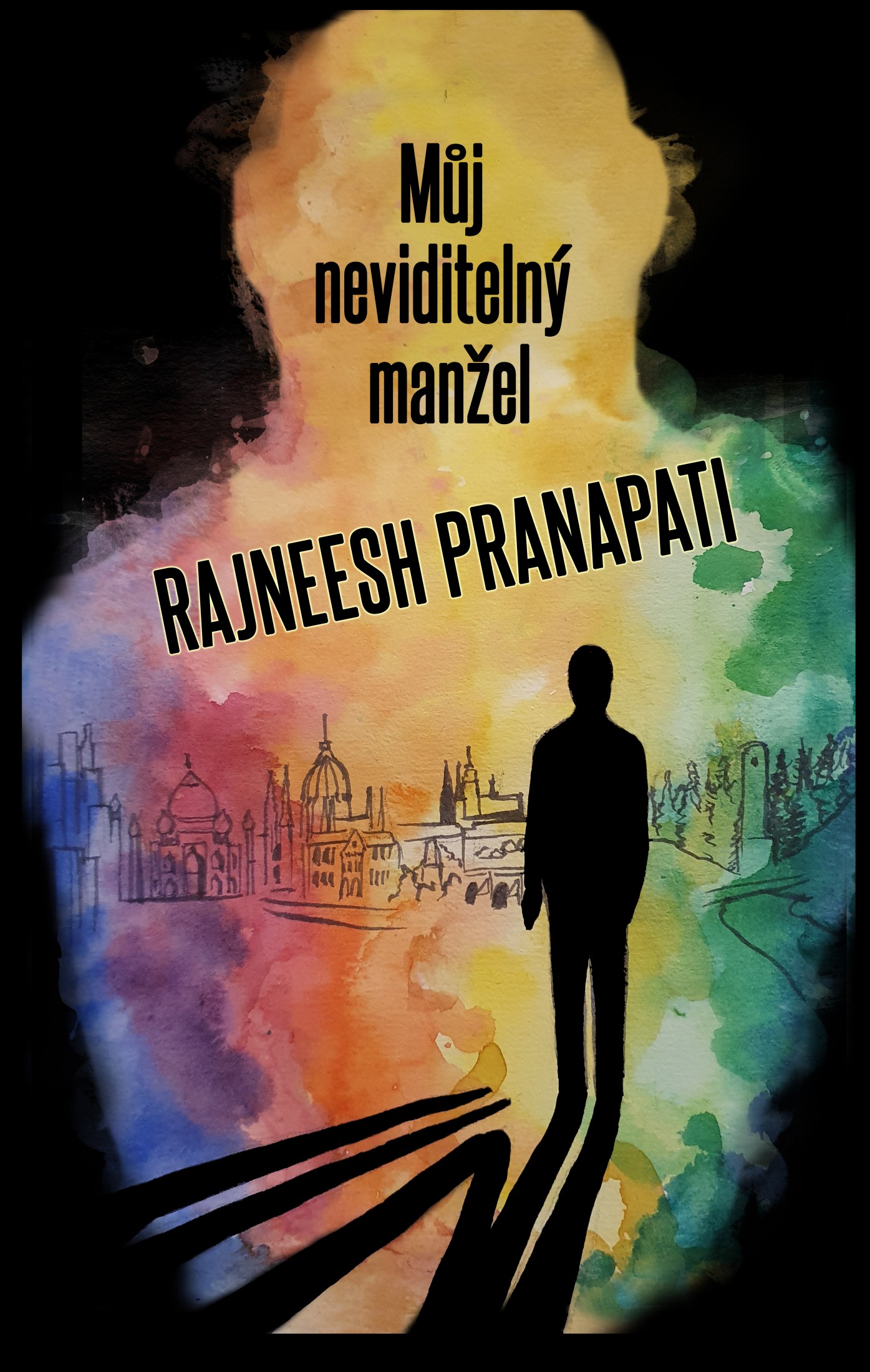
And perhaps that is where the slight nervousness comes from, which is now tickling me somewhere between my stomach and my throat, when I imagine that first and only person who actually bought the book, opened it, smelled the paper, and took home the blue cover – the story one, the "right" one in the sense of an atmosphere that doesn't force itself on you, but just quietly sits down beside you. Actually, it feels to me like something out of a short novel: the first reader is always a bit of a witness. And witnesses have a special status, because they exist before the crowd, before reviews, before it starts being called a "project." It's just him and my words, and somewhere in between is the cover that decided to be blue.
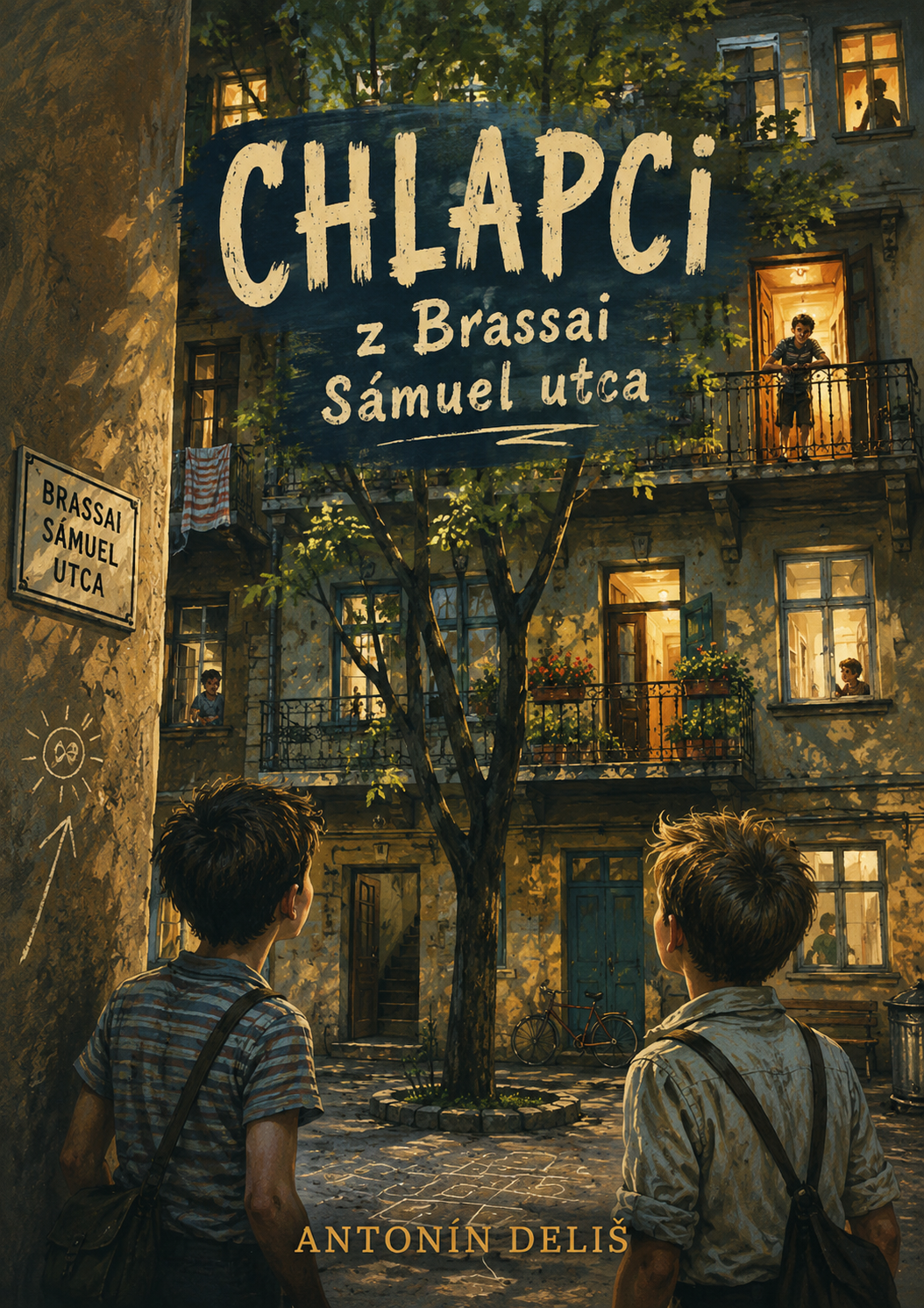
And now I wonder – what will he think. Whether he'll take it as a betrayal, like when a person looks back and finds out they were at something "before it happened," and suddenly the "after" starts to change. I know how easily we can build a small scene in our heads: he's standing somewhere by the window, the book is on the table, and when he hears that a red one also exists, that a cheaper one exists, that an "adult" one exists, a thought echoes in the corner of his mind: Ah, so I'm the one who bought that first version, that slightly more naive piece. And suddenly it hurts, because I realize that I myself know how to read it in exactly this way – that even in things that are actually just another variant, another binding, another path, I look for hierarchy and judgment.
Except a cover is not a verdict. It's more of a mood that you dress a book in when you let it out into the world. And sometimes you aren't even choosing between "better" and "worse," but between two truths. Blue says: come, I will whisper to you, I will let you swim up to the meaning yourself. Red says: come, I will shine, I will show you the body of the story and its shadows, I won't pretend that nothing is happening. The fact that red is "adult" doesn't mean that blue is childish. It's just more about that moment before the word, about that water that hasn't confessed anything yet.
And then there is that second, practical layer, which pretends to be an accountant's note, but in reality is psychology: the price including shipping sounds almost suspiciously calm – that kind of amount where a person says to themselves: alright, this is bearable. And yet, hidden within it is my whole search for a way to turn a manuscript into a paper thing that someone will actually take in their palms and carry home. But at the same time, I know that prices between versions can do things in the human head that aren't fair: the cheaper variant looks "more right" because it's more accessible, and the more expensive one looks "rarer" because it lets stories be told about itself that it's exceptional. And I don't want the first buyer to feel like someone who fell for the first wave. I don't want them to have the blue one in their hand and a small scratch in their heart.
If I could write to him, I probably wouldn't write an apology. I'd rather write him something that sometimes is born in us only with time: that the first version isn't a mistake, but the origin. That there is something beautiful about having that blue, story-driven one at home, which came to life in that first wave of courage. That it isn't "old," but "early." And that early things often carry a special warmth—not the red kind, but the human kind that stays in the paper like a fingerprint. Maybe I would write to him that I am glad it is he who has the cover that speaks more through silence than shouting. Because when someone is the first reader, perhaps they deserve silence, not lights.
And you know what? Now I almost think that if he weren't angry, it would be suspicious. That a certain tiny jealousy is actually proof of a relationship—that the book isn't just an item to him, but something he has reached an inner understanding with. And if the phrase "So it's different now" were to be heard after all, I would want to tell him: yes, it is. And yet it's still the same. The text hasn't changed in the most essential way; only the dress is changing, because I am still learning how to bring this thing out to the world. And isn't this precisely what we do with ourselves as well? How many times in life do we change our "cover" because we found a cheaper way, a safer path, a truer color—while inside we stubbornly remain the same?
Be that as it may, if I were to say it completely simply and honestly: the blue one remains the one that best fits the story, and the red one is the cheaper and more practical way to let the book out among people. And so it's only fair to put both options on the table just as they are, without shame and without grand gestures—merely as two doors into the very same house.
BOOKMUNDO – blue cover (more expensive): https://tinyurl.com/5c3fkzkf
LULU – red cover (cheaper): https://tinyurl.com/akymk7cd