ENDRALON.SPACE

ANTONÍN DELIŠ · HEAVY CONTEMPORARY ARTIST

GUIDE ↗
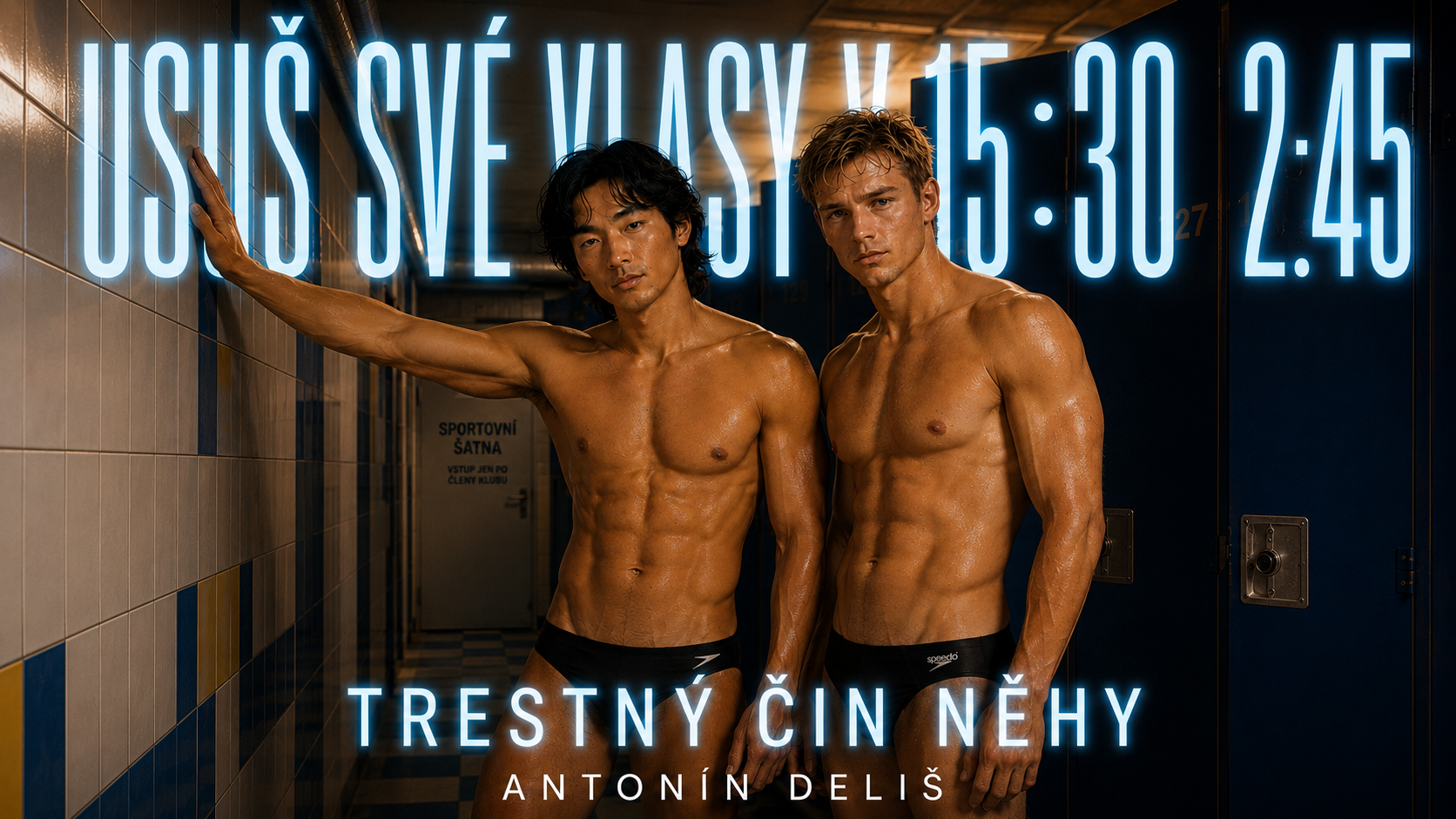
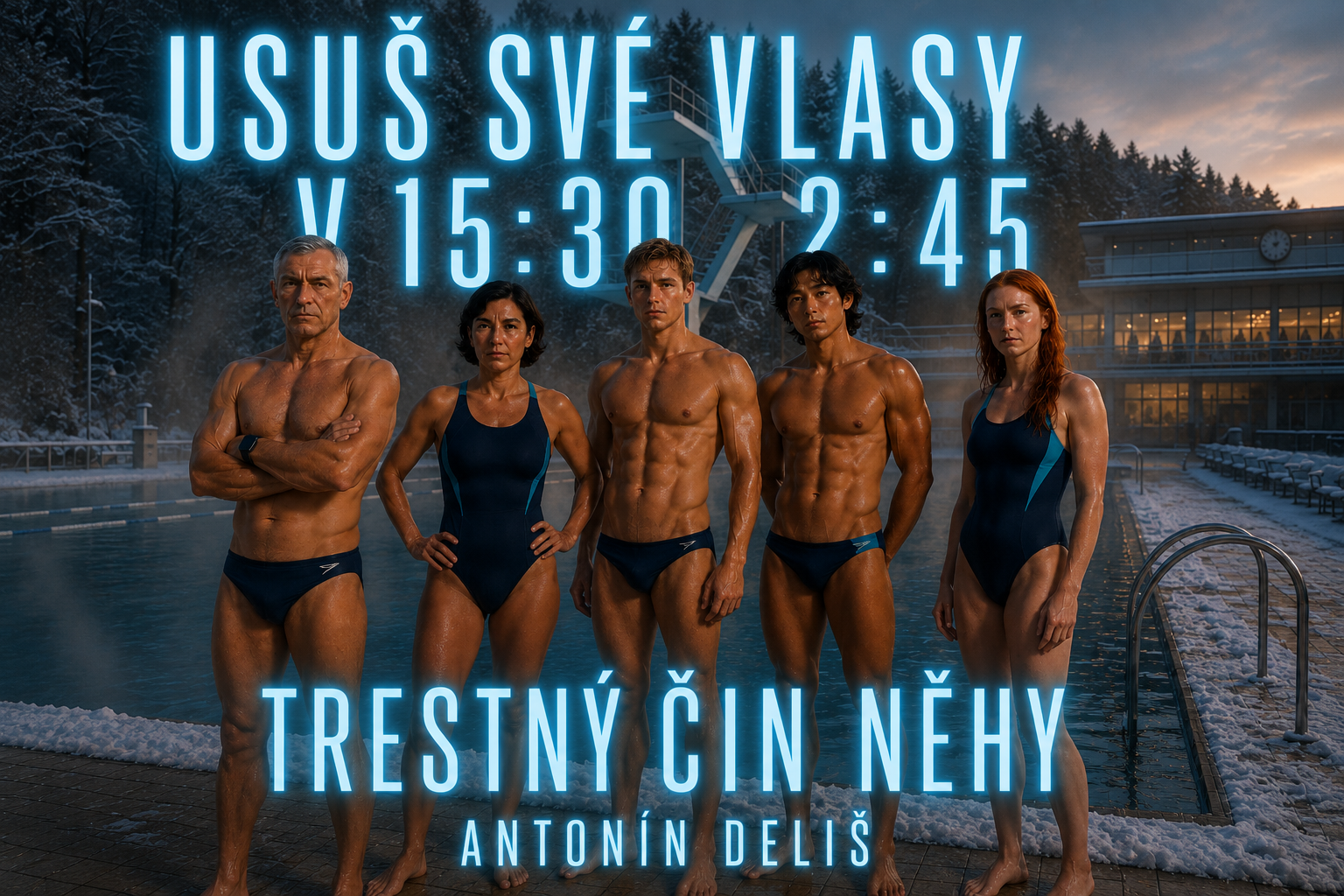
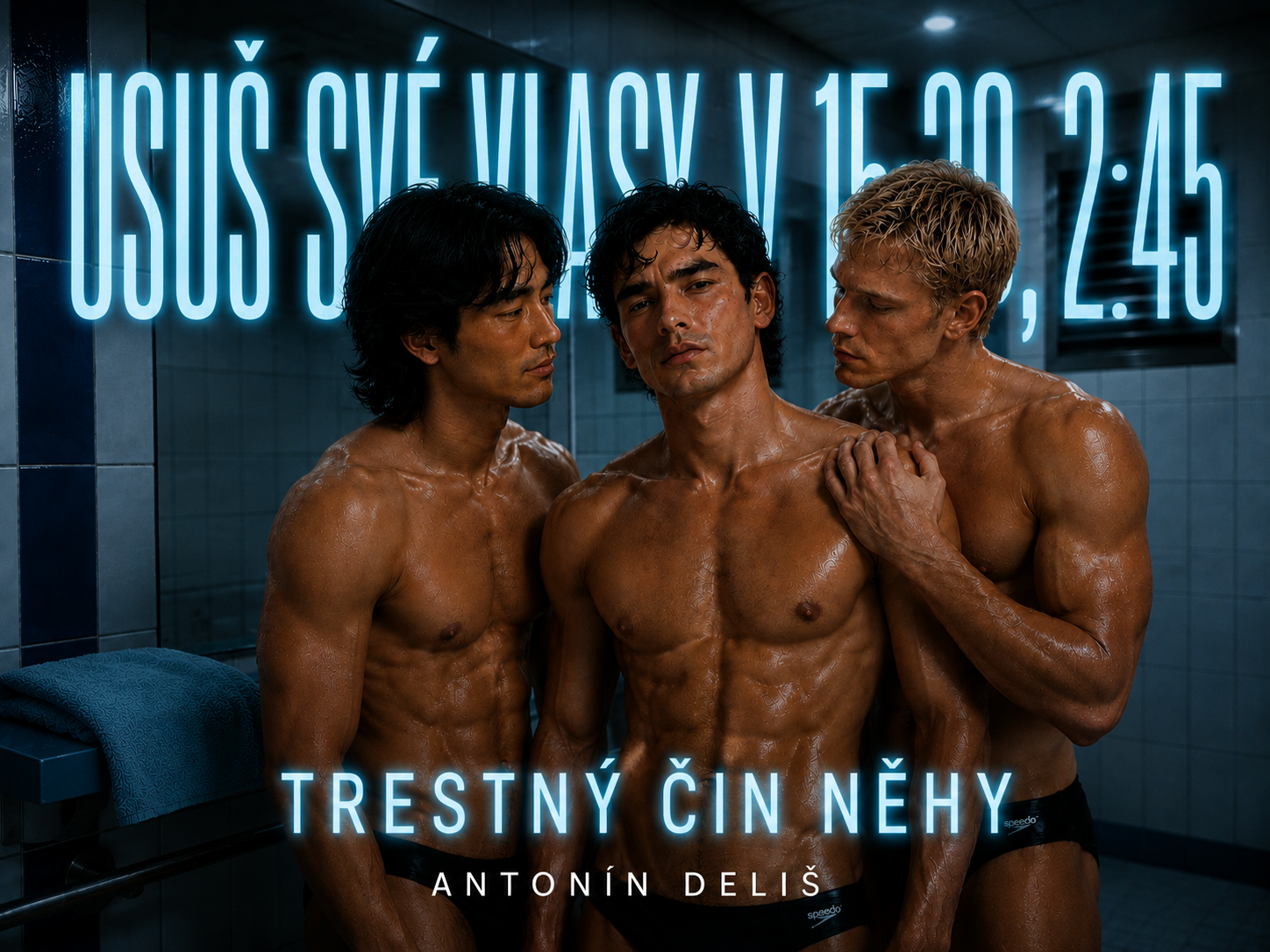
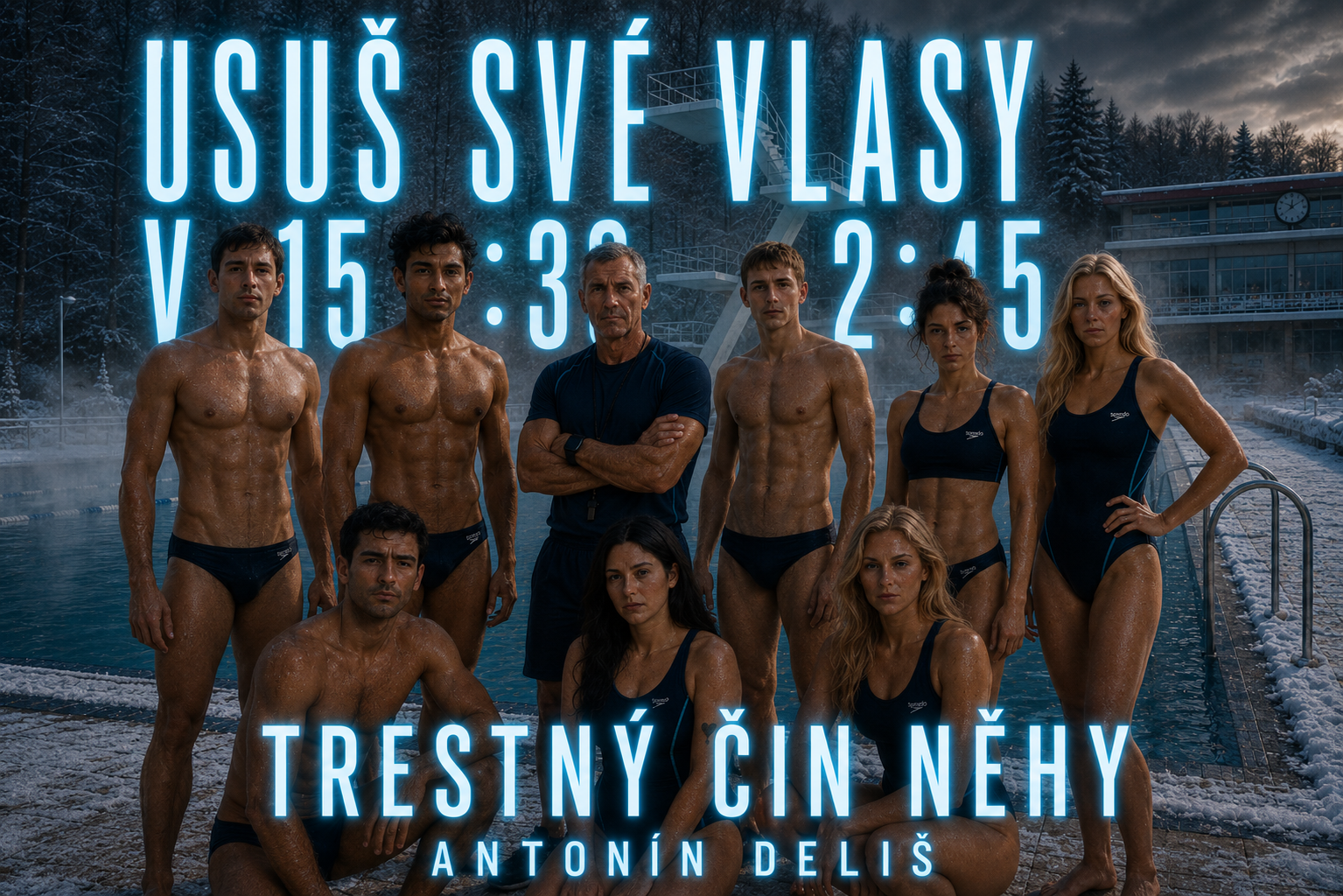
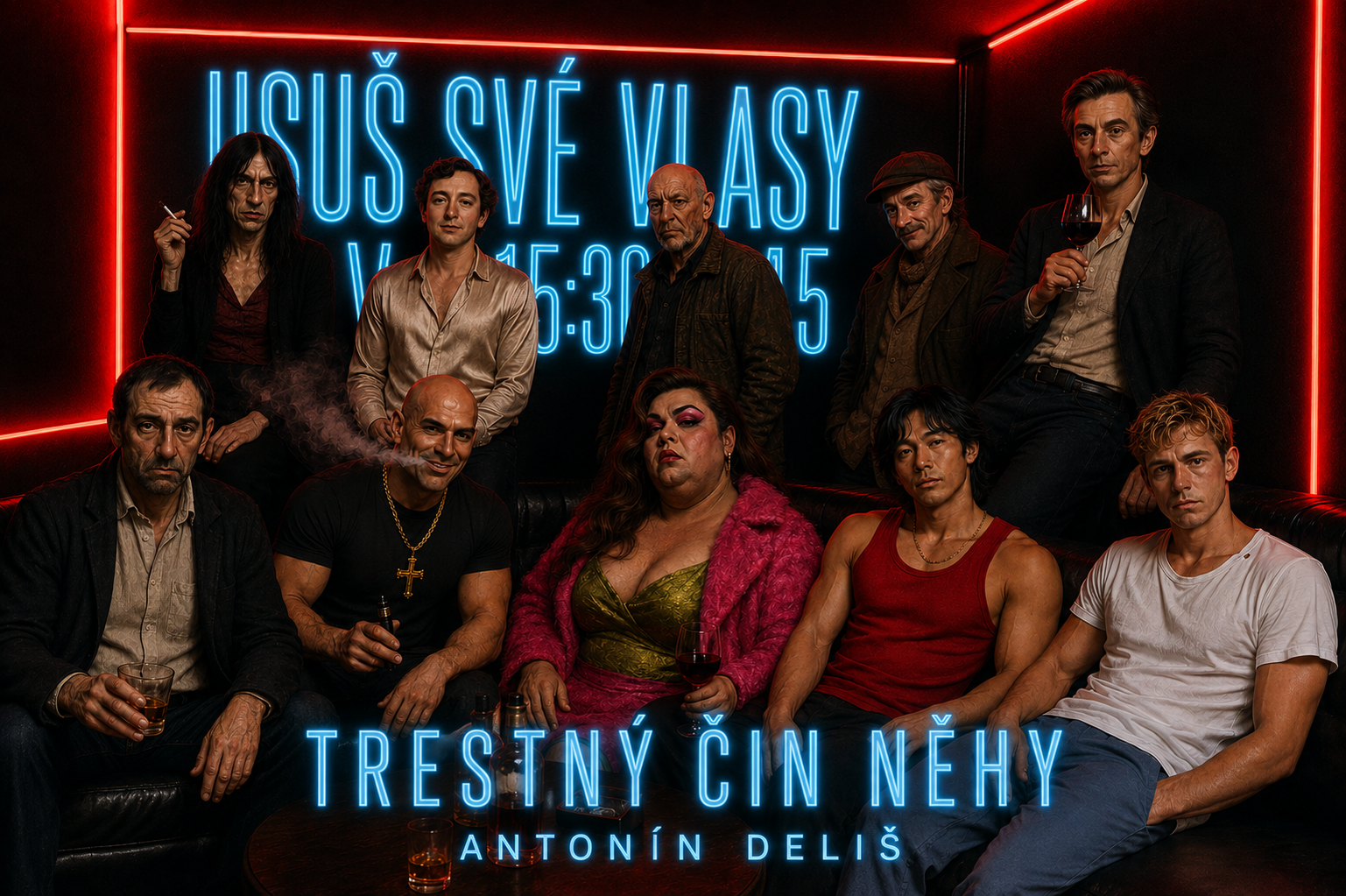
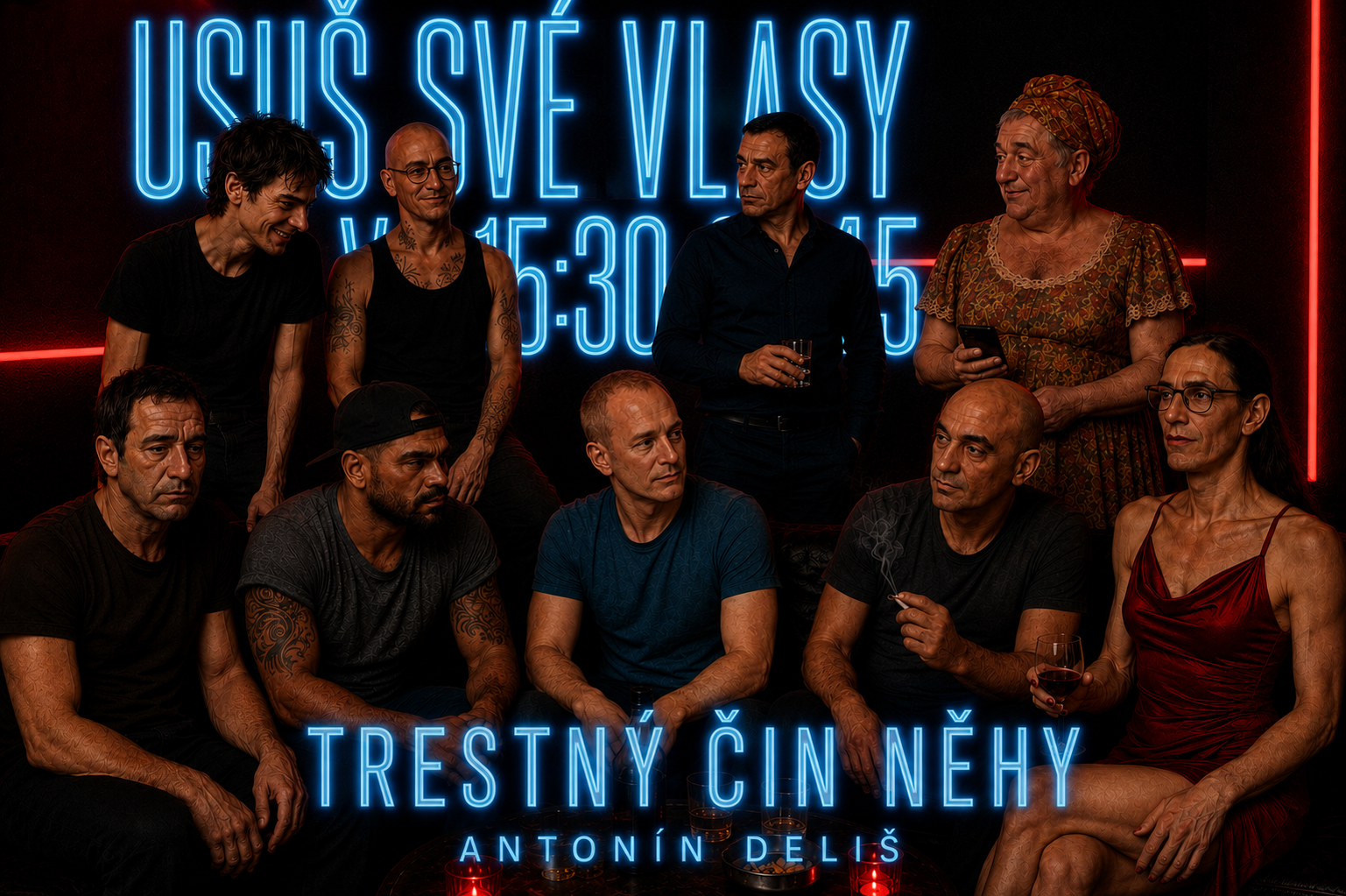
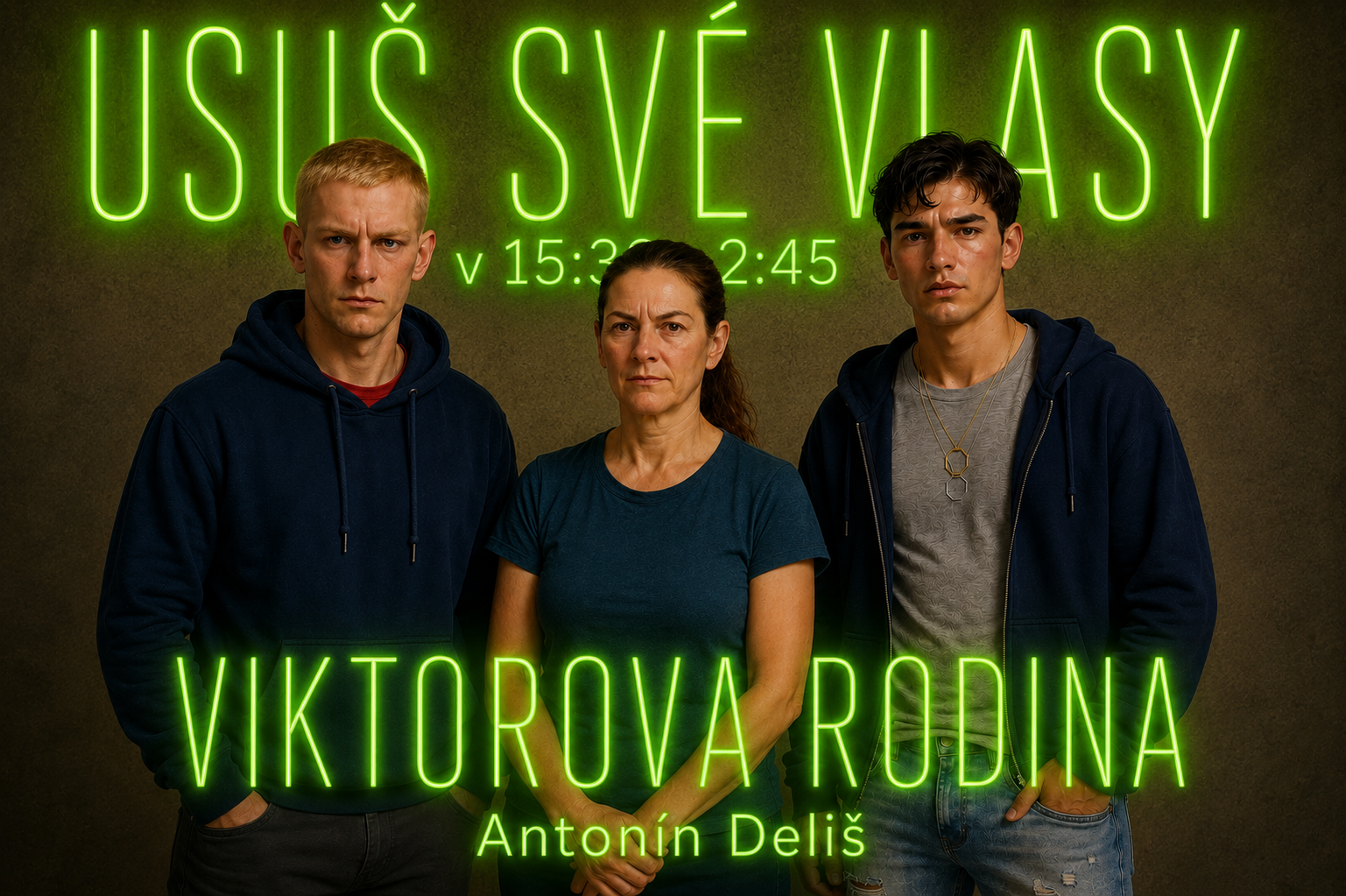
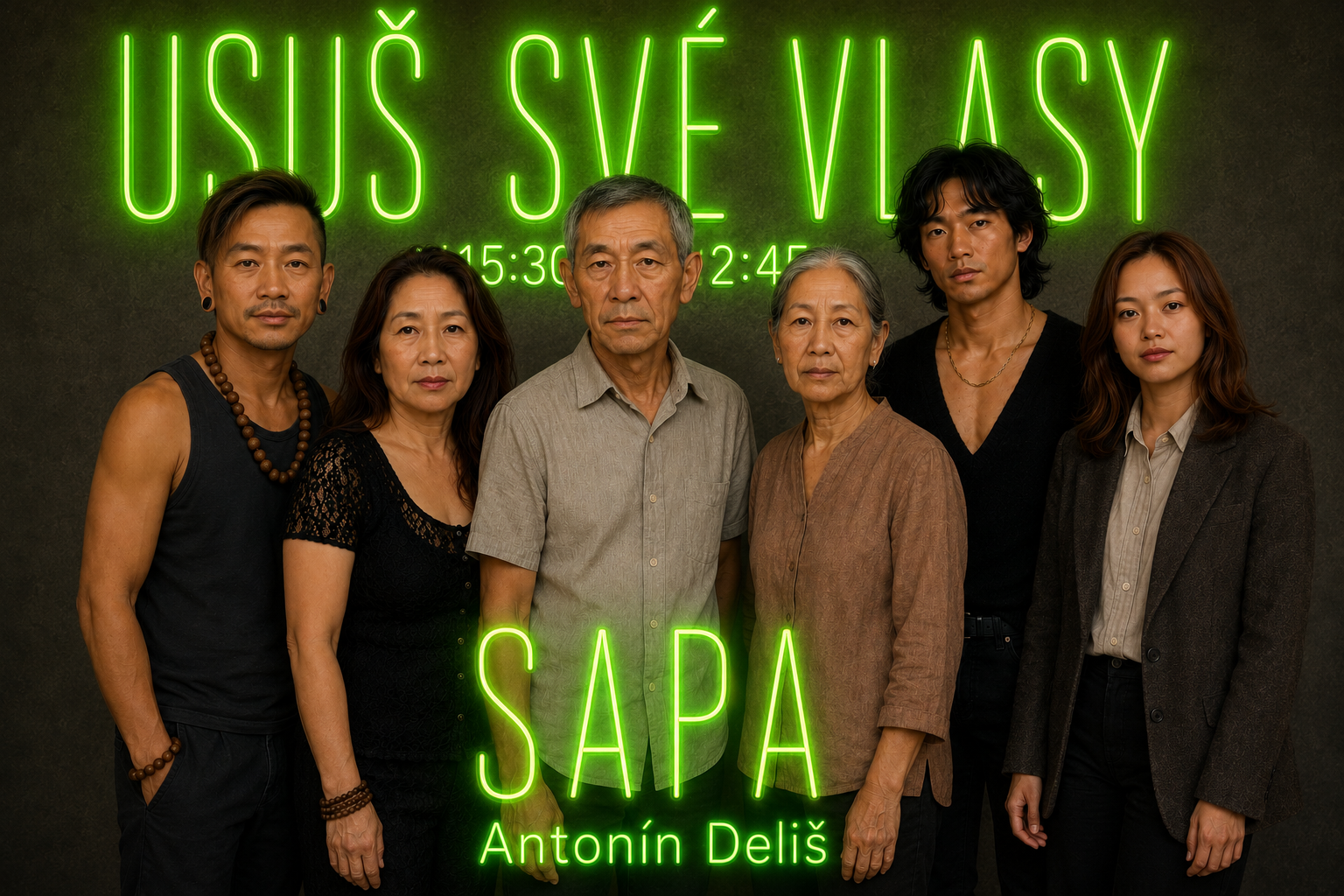
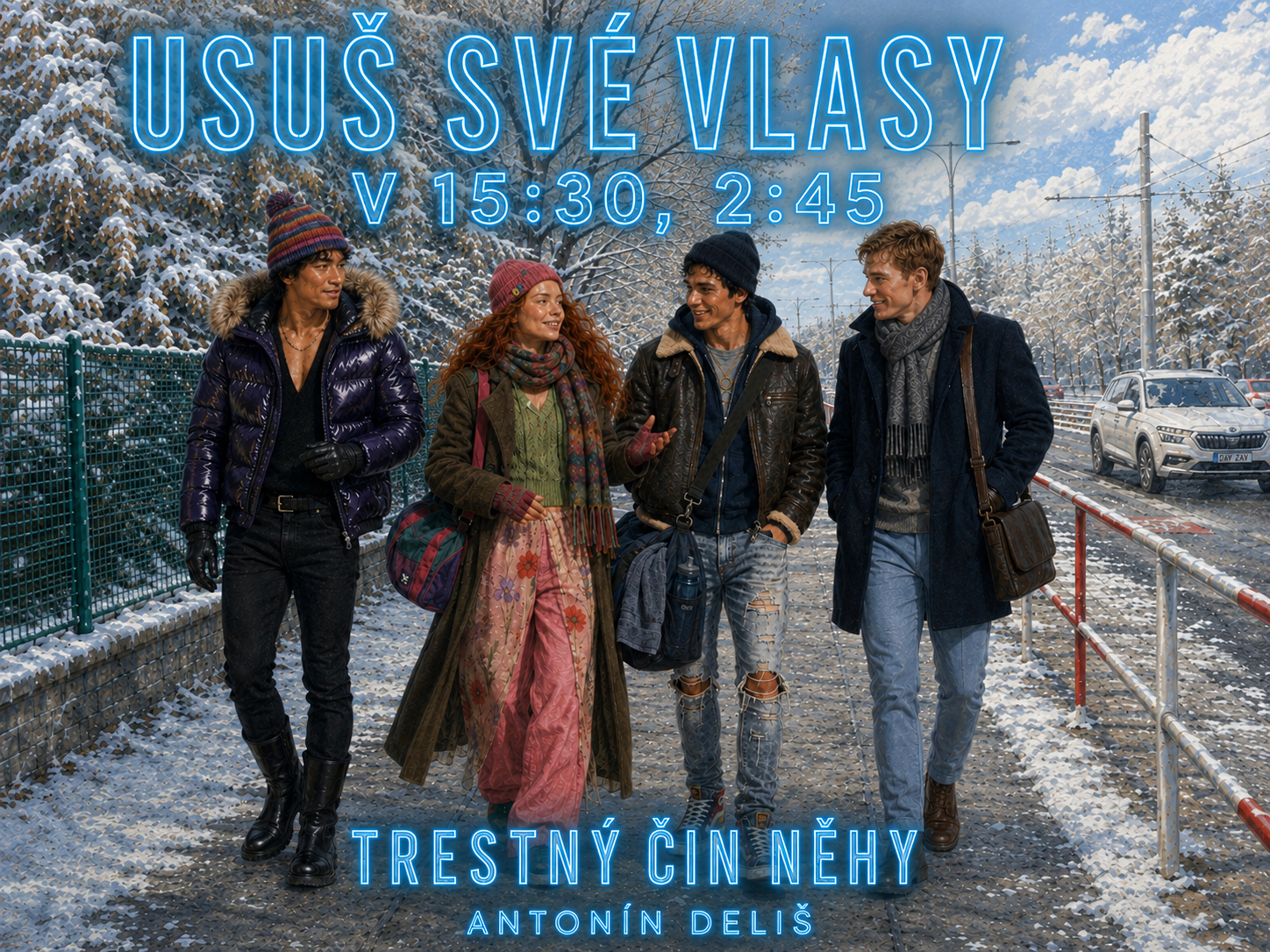
Usuš své vlasy v 15:30, 2:45 — III. díl Trestný čin něhy, oficiální obálka

HEAVY CONTEMPORARY GAY ROMANCE · III. DÍL PENTALOGIE

Trestný čin něhy

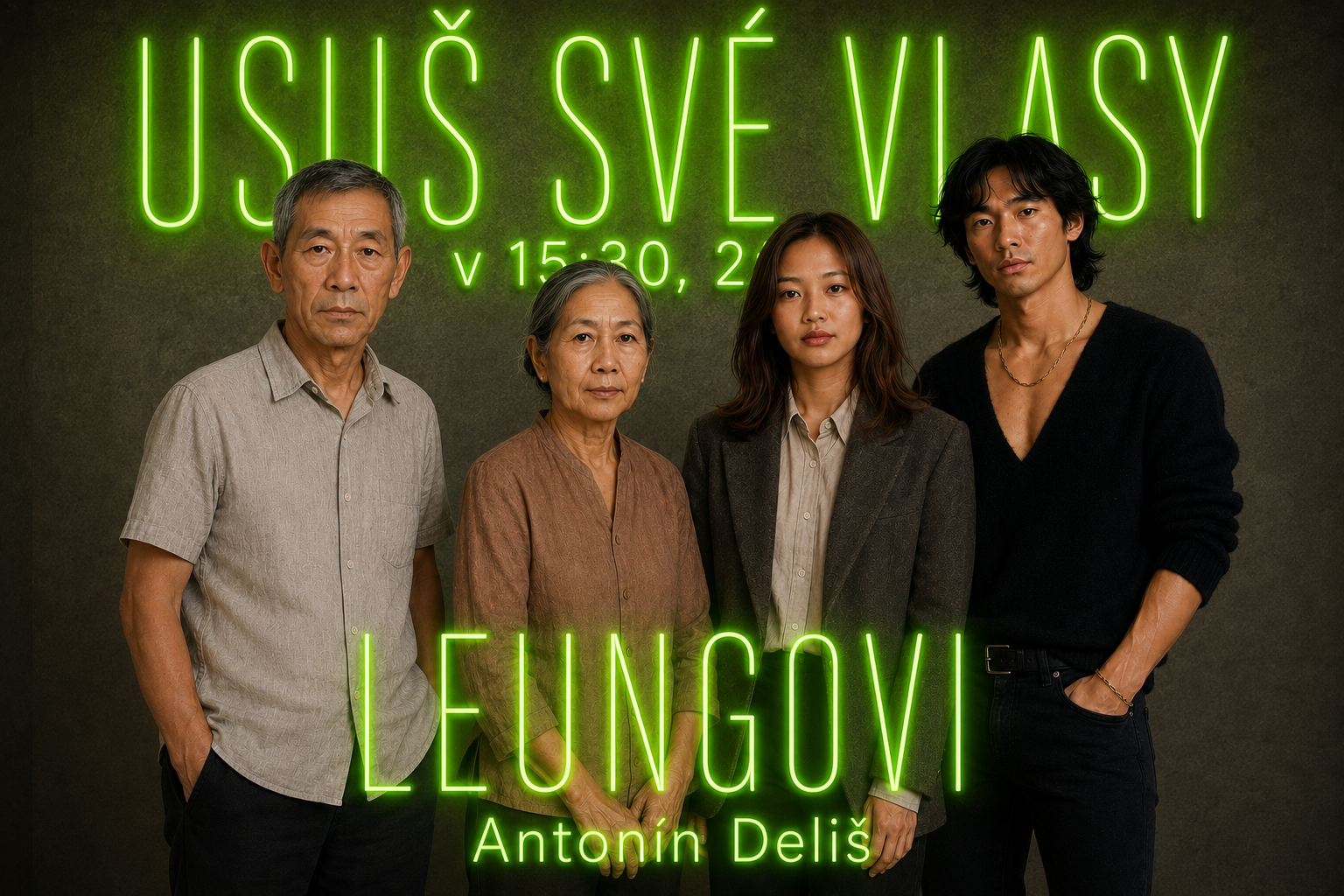
Usuš své vlasy v 15:30, 2:45
Antonín Deliš

Zimní pokračování příběhu o těle, výkonu, vztazích, rodinách a něze, která může být tím nejtěžším činem.

PŘIPRAVUJE SE K VYDÁNÍ · 2026

VSTUP DO SVĚTA KNIHY

Vyber si, kudy vstoupíš

Třetí díl pentalogie se připravuje. Zatím objevuj příběh, soundtrack a jeho vizuály.

Vstoupit do příběhuO KNIZEForendorsČTENÍ · SLEDOVATWattpadČTENÍ · SLEDOVATSpotifySOUNDTRACKVinylHUDEBNÍ VYDÁNÍDatabáze knihKARTA KNIHY
Kniha u partneraPŘIPRAVUJE SE
E-knihaE-KNIHA · PŘIPRAVUJE SE
AudioknihaAUDIOKNIHA · PŘIPRAVUJE SE

OFICIÁLNÍ TRAILER PENTALOGIE

Usuš své vlasy v 15:30, 2:45

Oficiální trailer celého pětidílného příběhu.

Videoklipy a vizuály ke třetímu dílu ↗

O KNIZE

Na první pohled

ÚVODNÍ POVÍDÁNÍ O KNIZE

Vstup do příběhu

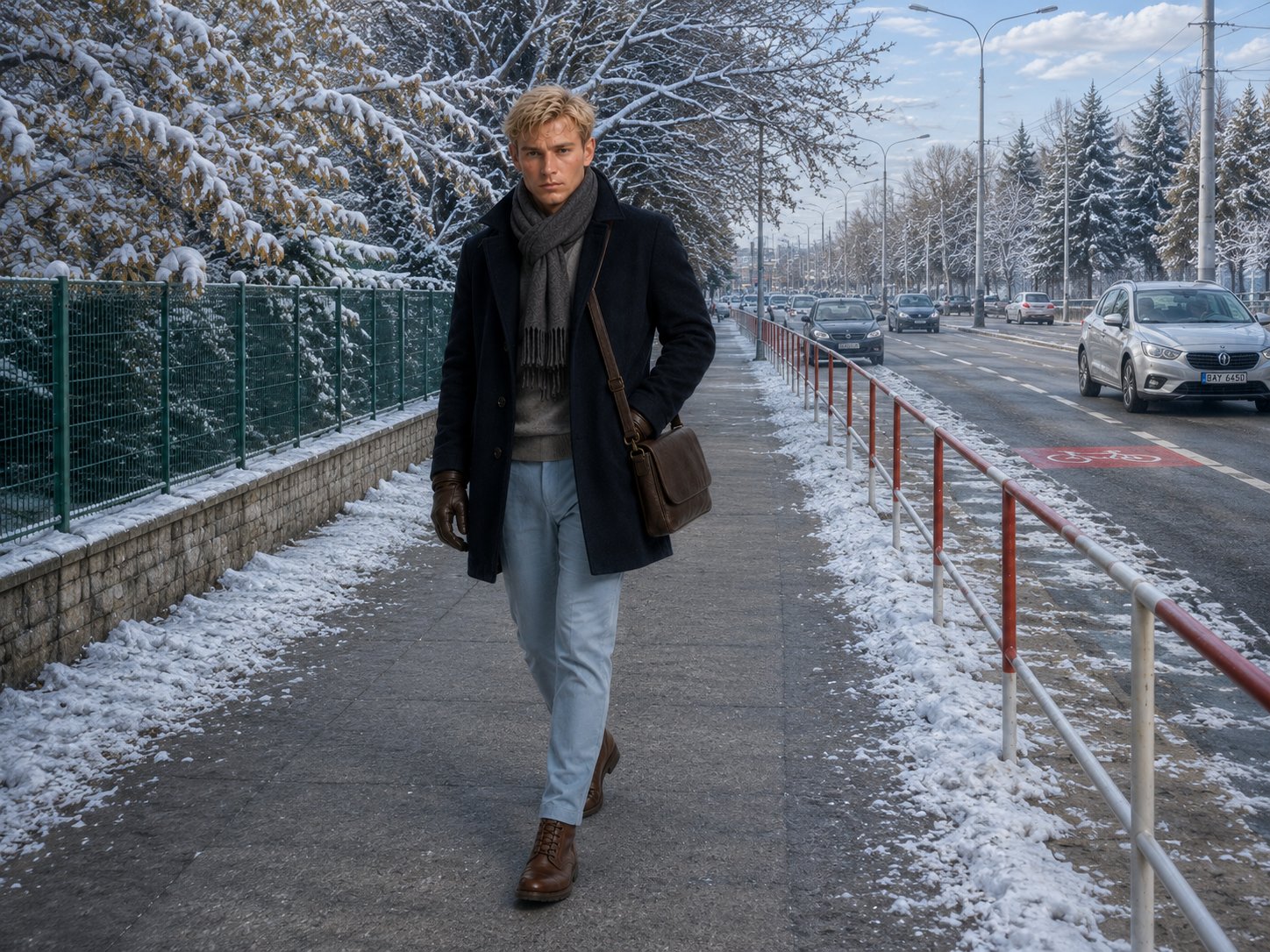
Winter brings darkness before the start of the day, wet sidewalks, cold railings, and steam rising above the outdoor pool. Training continues and bodies must keep performing, even though the people who inhabit them can no longer pretend their relationships mean nothing.

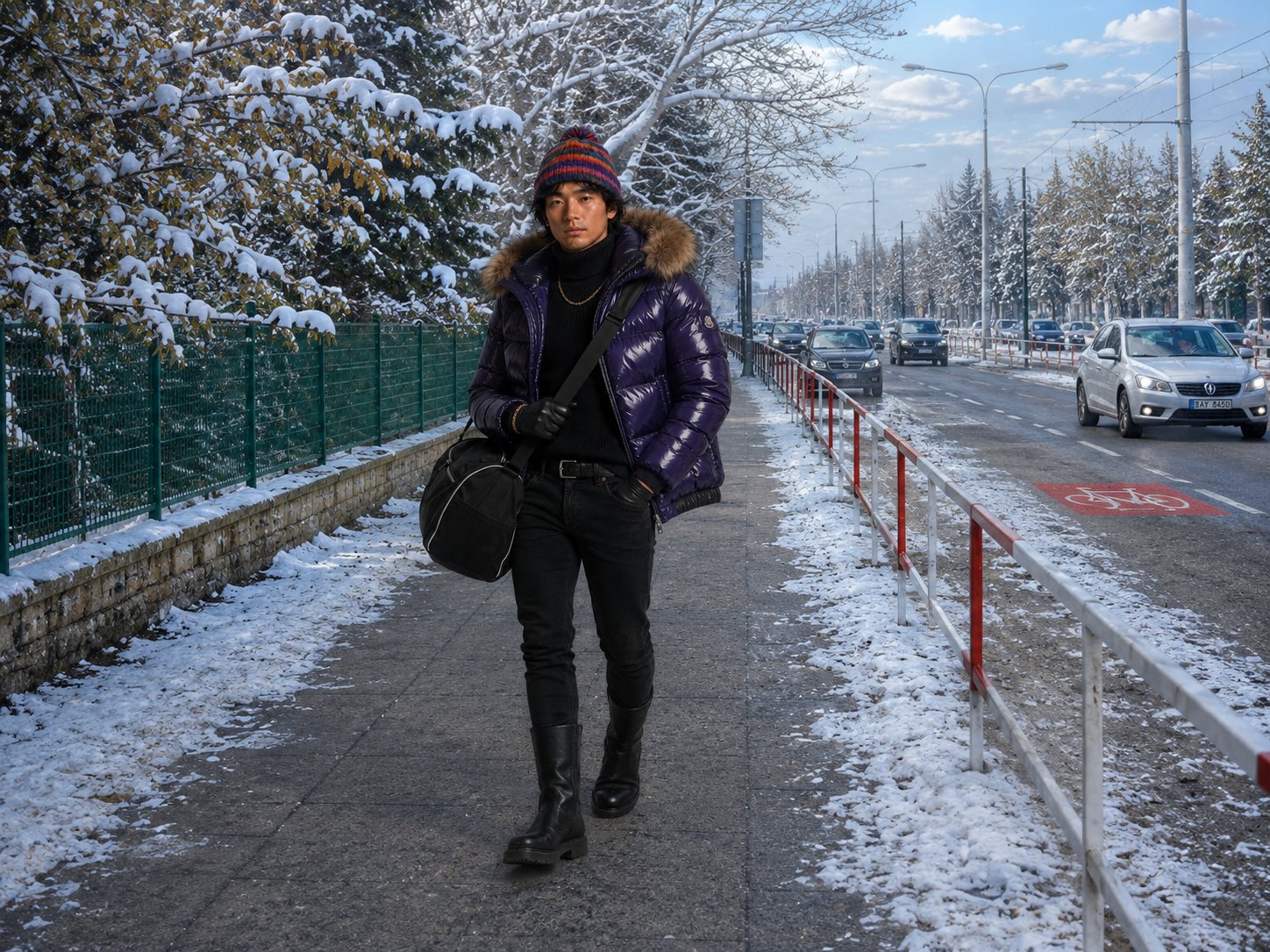
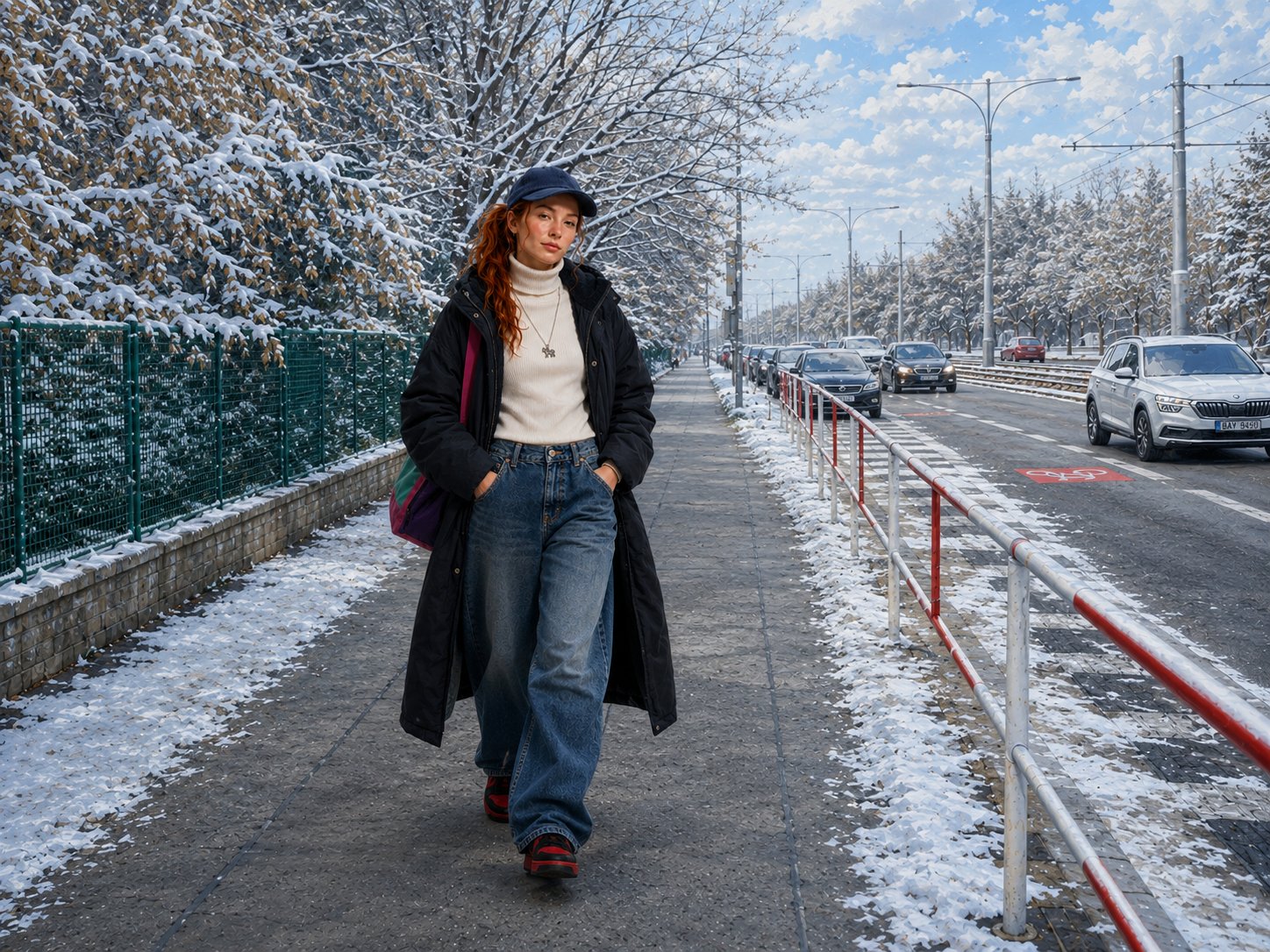
Tom, Viktor, Tony, and Veronika return to familiar places, but each of them enters them differently. Tom allows himself to be more sensitive, Viktor navigates between the need for closeness and the fear of loss, Tony brings a calmness that is not weakness, and Veronika bears a responsibility that was never entirely hers.

Trestný čin něhy expands the story to the entire circle of characters. Podolí remembers both summer and autumn, homes remember arguments, bodies remember touches, and relationships also remember what was never spoken aloud. In the third installment, no decision belongs solely to the one who made it.


SVĚT KNIHY

Třetí pohyb pentalogie

The first part was heat. The second part was a grip. The third part is cold, in which every human warmth becomes visible much more clearly.

Trestný čin něhy shifts the pentalogy from fierce corporeality and the aftermath of initial clashes toward a deeper connection between the characters. Conflicts do not disappear. On the contrary, they intensify because it is no longer just about anger, attraction, or jealousy. The characters know where they are vulnerable and are beginning to recognize the places where they can hurt the other.

The way we look at the entire story is also changing. There is no single relationship around which everything else simply revolves. Every character has their own home, duties, fears, and a place they go to when they can no longer stay. The third installment is an ensemble piece: every movement affects other people, and no one remains merely an object of someone else's desire.


HLAVNÍ POSTAVY

Čtyři hlasy jedné zimy

Tom Záhorský

Tom Záhorský

Tom can no longer survive solely on toughness and control. Caring for Romi, work, a lack of money, and his relationships with Viktor and Tony reveal the gap between how he appears on the outside and the amount of care, fear, and fatigue he hides beneath the surface. In the third installment, he learns that sensitivity does not have to mean a loss of strength.

Viktor Polesný

Viktor Polesný

Viktor is gradually freeing himself from the role of the person everyone merely watches. His family, his relationship with Oli, the tension with Sršeň, and his need to disappear into nocturnal Prague are taking on weight of their own. Impetuosity remains his armor, but beneath it, the fear of loss and intimacy is becoming increasingly clear.

Tony Leung

Tony Leung

Tony is not just a quiet harbor for other people's problems. He has his own strength, desire, humor, and the capacity to stand out. His tenderness is neither passive nor taken for granted—it is a conscious decision not to inflict another blow where there have already been too many. Because of this, his presence can transform others more precisely than open conflict.

Veronika Coufalová

Veronika Coufalová

Veronika navigates between her studies, training, family duties, and a level of care she shouldn't have to bear alone at her age. Her high performance helps her survive, but at the same time, it prevents her from admitting that she can no longer hold everything together by her own strength alone. In the third installment, she definitively establishes herself as an independent axis of the entire pentalogy.

ANSÁMBL TŘETÍHO DÍLU

Další postavy

Trestný čin něhy is an ensemble work in which Romi, Oli, Sršeň, Růženka, coaches, classmates, families, and people from part-time jobs and the nightlife take center stage. It is not just a few new names added around the main quartet. Every character has their own home, responsibilities, and relationships, and can change the trajectory of someone else with a single decision.


Originální ilustrace knihy Trestný čin něhy — Další postavy

SVĚT KNIHY

Místa příběhu

Winter Prague · Podolí · outdoor pool · diving tower · stands, locker rooms, and drying room · FTVS · Vltavská · Gorazdova · Dlážděnka · SAPA · embankment · adult cinema and video booths

In the third installment, the map of the story expands significantly. Podolí still remains its heart, but it no longer belongs only to a few main characters. The stands, tower, pools, locker rooms, and corridors connect athletes, coaches, families, and spectators. During the winter, the stadium feels almost like a world of its own: warmth, light, and water inside; snow, steam, and darkness outside.

Homes also become more important. Vltavská is not just the place where Tom and Romi live, and Gorazdova is not merely the address of Viktor, Sršeň, and Oli. The apartments show what the characters carry outside the pool: a lack of money, illness, caregiving, family tension, and roles that are not visible in public. Dlážděnka, FTVS, SAPA, and the nightlife venues, in turn, remind us that every person has their own route through the city and their own life outside the main relational axes.

Prague becomes layered during the third installment. A single street can mean a way home, an escape, and a return. The longer the story continues, the less neutral familiar places become. All of them have already witnessed something.


Originální ilustrace knihy Trestný čin něhy — Místa příběhu

SVĚT KNIHY

III. díl – Co v knize najdete

Trestný čin něhy significantly expands the world of the pentalogy. Alongside winter Prague, Podolí, and familiar places, the homes, families, part-time jobs, and everyday lives of the characters outside the pool come to the forefront. The story no longer follows a single relational axis. It becomes an ensemble novel in which everyone has their own past, responsibilities, and way of coping with intimacy.

You will find themes of caring for an ailing parent, responsibility for younger siblings, financial scarcity, athletic discipline, and a life unfolding between school, training, and work. There is no shortage of jealousy, friendship, erotic tension, or tenderness that sometimes feels more dangerous than open conflict.

The third installment is primarily a novel about relationships in which there are no clear-cut villains or saviors. It is about how accepting another person can sometimes be harder than enduring their rejection.


SVĚT KNIHY

Proč Trestný čin něhy

The title of the third volume was not created as an ornamental metaphor. In a world where the characters have learned to protect themselves through performance, defiance, coldness, or flight, tenderness can be precisely the most courageous gesture. It disarms, forces a person to stay, and reveals them as they truly are.

Love itself is not the crime here. The crime is allowing oneself to feel it in a world that has taught a person that openness comes at a price. That is why Tony's calm is not a given safety, Tom's sensitivity does not erase the past, Viktor's longing for closeness does not cancel out his fear, and Veronica's need to help does not mean she can accept help herself.

Tenderness in this book does not resolve conflicts. It reveals their true depth.


SVĚT KNIHY

Zima místo podzimu

The second installment brought a return to order: school, training, work, and the effort to fit back into an ordinary day. The third shows what happens when this order continues for too long and fatigue begins to pile up faster than the ability to hide it.

Winter is not just snow around the pool. It is a period of shorter light, heavier journeys home, and a body that stands out more sharply in the steam and cold air than before. Podolí feels almost surreal: the outdoor water remains warm while snow lies all around it. It is right here that the characters can frolic and laugh for a moment like people who have no responsibilities at all.

These moments do not disturb the weight of the story. They create its future memory. Winter in the pentalogy is therefore not merely dark. It can be dazzlingly bright—and sometimes the snow reveals most sharply everything that has remained beneath the surface until now.


SVĚT KNIHY

Podolí, které si začíná pamatovat

Podolí changes in each installment, even though its architecture remains the same. In the first part, it was a place of summer heat, initial clashes, and physical awakening. In the second, it transformed into a space of performance, discipline, and relationships that could no longer be ignored. In the third, it becomes a place of memory.

The characters return to the same lockers, stairs, boards, and lanes, but each time they know a little more. A single glance can recall several previous scenes, and a familiar sentence can return with a completely different meaning. A person stands in the same spot, but is no longer the one who entered it for the first time.

I perceive the real Podolí in much the same way. I saw it differently twenty years ago, and I approach it differently today. I remember the people I still meet there, as well as those who no longer return. The place remains, while people layer themselves within it. The memory of the entire pentalogy is created in the exact same way.


SVĚT KNIHY

Gay romance ve třetím díle

Trestný čin něhy pushes the gay romance further. It is no longer just the story of two people finding their way to each other. It broadens the perspective on the world in which their relationship takes shape, showing that no love exists separately from the environment in which it unfolds.

Podolí, the adult cinema, and other familiar places remain a natural part of the characters' lives. They do not represent exotic backdrops or symbols of good and evil. They are spaces where people meet, pass each other by, and seek closeness—sometimes just for a moment, and other times for a lifetime. Alongside desire, which can be swift and anonymous, the need for a true relationship emerges ever more strongly—for someone who stays even when it is no longer just about the body.

This is precisely why the third installment features the first truly fulfilled love scenes of the entire pentalogy. They are not written as a reward for the reader, nor as gratuitous erotica. They grow out of long-built relationships and show that the exact same physical closeness can have a completely different meaning for each person. Tom experiences it differently, Tony differently, and Viktor differently. Erotica thus becomes a continuation of the characters' psychological development, not a replacement for it.

Tony takes on a crucial role in this installment. He does not represent an ideal or someone who can solve everything. However, he brings a kind of gentleness to the story that the others often lack. He reminds us that sensitivity does not have to be a weakness, and that people who are capable of kindness are sometimes the bravest ones of all.

Gay romance in Trestný čin něhy stops asking merely who loves whom. It asks what form intimacy can take in a world where it is much easier to just briefly encounter another person than to truly stay with them.


Originální ilustrace knihy Trestný čin něhy — Gay romance ve třetím díle

ZAJÍMAVOSTI ZE SVĚTA KNIHY

Třetí díl je středem pentalogie

Trestný čin něhy sitting right in the middle of the entire pentalogy. It is not merely a continuation of previous relationships, but a place where their development so far begins to turn into consequences. The first book opened up the body, desire, and violence. The second carried their aftermath into school, work, training, and everyday life. The third installment can no longer remain just about the tension between a few characters. The world expands. Families, supporting characters, work, school, the sports environment, the city, and places that previously existed mostly on the periphery all come to the fore. The third installment is therefore the most ensemble-driven book of the entire series. Each character carries their own part of the story, and none exists solely to advance the relationship between Tom and Viktor.

ZAJÍMAVOSTI ZE SVĚTA KNIHY

Zima není klid

After summer and autumn comes winter. Not as a quiet pause, but as a period in which everything slows down so much that it is no longer possible to overlook what is happening. The city shrinks into cold mornings, wet shoes, overheated rooms, trams, locker rooms, school corridors, and lights that turn on too early. Winter limits movement. People find themselves indoors more often, closer to each other and at the same time more enclosed. What in summer could dissolve in water and what in autumn lost itself in the rhythm of school and work returns in winter in a more concentrated form. The characters have nowhere left to run. Winter in this book is not a symbol of death or purity. It is a period of pressure, exhaustion, and moments when a person must confront what they have been putting off until now.

ZAJÍMAVOSTI ZE SVĚTA KNIHY

Ansámbl místo jediného středu

The first two parts could be followed mainly through several central relationships. In the third part, the perspective expands. Tom, Viktor, Tony, and Veronika remain important, but the world around them is no longer merely a backdrop. Secondary characters get their own rhythm, problems, and places where they exist independently of the main four. Family relationships cease to be just an explanation for the behavior of the main characters. They begin to actively interfere with their lives. This way of storytelling stems from the conviction that no event belongs to just one person. What happens to one character can manifest in the lives of many other people, even if they barely know about each other. The third part therefore does not build a single direct arc. It creates a network. The characters pass each other by, touch the same places, interfere in the lives of others, and sometimes bear the consequences of decisions they were not even present for.

ZAJÍMAVOSTI ZE SVĚTA KNIHY

Trestný čin něhy

Název Trestný čin něhy originally belonged to a different intended story. It was only during work on the pentalogy that it turned out it belongs precisely to the third part. The title does not mean that love or tenderness are forbidden. Nor is it a story of people whose feelings society considers unacceptable. In the title, what becomes a crime is rather the consequence of tenderness. The moment when a person approaches another, opens up to them, takes responsibility for them, or allows them to enter too deeply into their own life. Tenderness can save, but it can also create obligation, expectation, and pain. It can arrive too late. It can be directed at a person who does not know how to accept it. It can be so strong that it changes the lives of people who were not even there at its inception. The title therefore works with a paradox. Something that is usually considered pure and safe can have consequences just as irreversible as violence.

Originální ilustrace knihy Trestný čin něhy — Trestný čin něhy

ZAJÍMAVOSTI ZE SVĚTA KNIHY

Tony a soukromá podoba člověka

Tony brings a different temperature of relationships into the pentalogy. His closeness is not based on the same intensity as the relationship between Tom and Viktor. It may seem quieter, gentler, and safer. However, that does not mean his story is simple. Tony consistently separates public life from private intimacy. This is not an expression of shame or a denial of one's own identity. For him, intimacy does not need to be public in order to be real. A person can be visible among people and yet keep a part of themselves outside of their gaze. It is precisely this boundary that is important for Tony. He does not want his private life to automatically become a public explanation of who he is. The third part therefore shows that openness does not have a single correct form. Someone needs to talk. Someone protects silence. Neither by itself determines the depth of a relationship.

Originální ilustrace knihy Trestný čin něhy — Tony a soukromá podoba člověka

ZAJÍMAVOSTI ZE SVĚTA KNIHY

Sport jako výkon i nebezpečí

The sports environment has been present since the first part, but in the third part it gains significantly more weight. Training is no longer just a backdrop for bodies, attraction, and glances. It is a system of performance. The body must repeat movement, manage fatigue, precision, height, water, coach's instructions, and the expectations of the surroundings.
Sport can feel like a space of discipline and certainty. Every movement has a technique, every performance can be evaluated, and every jump has a beginning and a landing. Human life, however, is not that precise. Fatigue does not always show up immediately. Pressure can look like determination for a long time. A person may keep going because everyone around them treats persistence as proof of strength. This third volume therefore looks at the body differently than the previous books. The body is no longer merely an object of desire or an instrument of performance. It is also a boundary. It can send signals that others overlook and that a person has learned to ignore themselves as well.

ZAJÍMAVOSTI ZE SVĚTA KNIHY

Škola už není jediným centrem tlaku

In the second volume, school was a place of repeated encounters, scrutiny, and watchful gazes. In the third volume, pressure crosses its boundaries. The characters carry it home, to work, into the sports environment, onto trams, into the streets, and into the places where they try to escape. Viktor's troubles cannot be simply separated from his school performance, family, or relationships. Tom's exhaustion and anger are not confined to a single environment. Veronika moves between sports, responsibility for others, and her own boundaries. Each of them operates within several systems simultaneously, and each system demands something from them. School remains important, but it is no longer the only pressure cooker. The entire city gradually turns into a network of obligations, expectations, and places where one has to appear normal.

ZAJÍMAVOSTI ZE SVĚTA KNIHY

Dlážděnka a cena odpovědnosti

Tom's work at Dlážděnka takes on greater significance in the third volume. It is not just about the restaurant setting or another realistic backdrop. Dlážděnka reveals Tom's relationship to work, money, hierarchy, and caring for Romi. Tom tries to function in a system that demands obedience, speed, and control from him. At the same time, he carries a responsibility for his home that those around him may not understand. His actions therefore cannot be separated from the material conditions of his life. Caring for another person is not just an emotion. It takes the form of food, money, shifts, fatigue, and decisions that may seem straightforward from the outside, yet arise from a much more complex situation internally. The third volume does not excuse Tom's mistakes. Instead, it shows the cost of responsibility at a time when a person lacks sufficient resources or support.

Originální ilustrace knihy Trestný čin něhy — Dlážděnka a cena odpovědnosti

ZAJÍMAVOSTI ZE SVĚTA KNIHY

Pornokino jako poslední uzavřený svět

The porn cinema makes its final appearance as a fully realized setting of the pentalogy in the third volume. It does not disappear because it has somehow become worse or morally unacceptable. The place itself has not changed. The characters have. What once represented anonymity, escape, contact, or a space outside of ordinary life can no longer hold the same meaning after certain events. A return would not mean returning to the same experience. The characters would enter the space carrying memories that can no longer be left at the door. The porn cinema therefore does not end with condemnation. It ends with the realization that certain places can remain physically the same, but a person is no longer able to enter them in the same way.

Originální ilustrace knihy Trestný čin něhy — Pornokino jako poslední uzavřený svět

ZAJÍMAVOSTI ZE SVĚTA KNIHY

Muži nejsou tak jednoduší, jak o nich mluví jejich okolí

Porn cinemas and other intimate environments disrupt the notion that a person can be accurately understood through their public life. People often claim that their partner would never go to a certain place, never do a certain thing, or never have a certain desire. Such certainty, however, often says more about the ideal of a relationship than about the true inner self of the other person. A man's intimate life can contain contradictions. Desire does not necessarily exclude love. Anonymous contact does not have to mean an inability to form relationships. Public restraint does not have to mean the absence of need. The third part does not explain these contradictions with a simple psychological maxim. It does not dictate what is right. It shows that a person can carry several forms of life simultaneously and that those around them may not know all of them.

ZAJÍMAVOSTI ZE SVĚTA KNIHY

Sova a paměť tváře

Some minor characters enter the third volume only briefly. Their significance, however, may not become apparent immediately. Owl appears in the pornographic cinema only in a brief shared scene with Tom. Tom remembers her face without knowing her whole story at the time. This way of working with characters is important for the pentalogy. One can meet someone once, pay no special attention to the encounter, and only later understand whose life intersected with theirs for a moment. Minor characters are therefore not merely world-building filler. Some return. Others remain present through a memory, a place, or a small detail.

Originální ilustrace knihy Trestný čin něhy — Sova a paměť tváře

ZAJÍMAVOSTI ZE SVĚTA KNIHY

Rodiny nejsou jen vysvětlením minulosti

In the third volume, the main characters' families come much more to the forefront. Romi, Sršeň, siblings, and other loved ones are not just sources of information about where Tom or Viktor come from. They actively influence their options. Family can mean care, obligation, shame, safety, and pressure alike.
It can protect a person while also keeping them from speaking out. It can demand that they remain a child even when they already have to shoulder adult responsibilities. The characters therefore do not make decisions based solely on their own desires. Every choice affects the people they live with, to whom they owe something, or from whom they are hiding something.
The third volume shows that growing up is not just about separating from one's family. It is also the painful realization of how much of it a person carries forward.

ZAJÍMAVOSTI ZE SVĚTA KNIHY

Veronika začíná vystupovat z cizího příběhu

Veronika was long associated primarily with Tom, sports, and the ability to handle situations where others failed. However, the third installment shows the cost of this role more clearly. A person who constantly holds others together can gradually lose the place where they could let go themselves. Veronika's strength is not infinite.
Care, discipline, and performance can become a way to postpone one's own needs. Her story is therefore not merely a reaction to Tom. She is beginning to break away. Veronika must ask herself what will remain of her identity when she stops being the one who carries, understands, and saves everything. This journey does not conclude yet in the third part. For the first time, however, it is clear that her future cannot just be an appendix to the lives of the main male characters.

ZAJÍMAVOSTI ZE SVĚTA KNIHY

Něha a násilí nejsou jednoduché protiklady

The entire pentalogy deals with violence, desire, care, and closeness. The third installment shows that there is no simple boundary between them. Tenderness in itself does not guarantee safety. Violence does not always arise solely from hatred. Care can support a person, but it can also bind them. Desire can bring both closeness and a loss of control. The author does not divide the characters into pure villains and pure victims. This does not mean their actions have no consequences. It means those consequences cannot be understood without the environment, past, and relationships in which they arose. Trestný čin něhy is not a book about tenderness being bad. It is a book about how even tenderness does not free a person from responsibility.

ZAJÍMAVOSTI ZE SVĚTA KNIHY

Zimní svátky nezastavují skutečný život

Saint Nicholas Day, Saint Barbara's Day, Christmas, New Year's Eve, and snow bring the familiar rhythm of winter into the book. However, they are not merely atmospheric decoration. The holidays create an expectation that people should be together, that families should function, and that peace will arrive, if only for a moment. That is precisely why they can highlight everything that does not work.
A person does not necessarily feel less lonely during the holidays. Family gatherings do not automatically bring safety. The New Year does not automatically mean a new beginning. Winter rituals in the book collide with the reality of the characters. The world celebrates while individuals continue to carry their own fear, exhaustion, desire, and responsibility.

ZAJÍMAVOSTI ZE SVĚTA KNIHY

Jazyk třetího dílu musí unést více hlasů

The ensemble nature of the book also changes the mode of storytelling. The language can no longer remain confined solely to the close proximity of a single relationship. It must move between people, environments, and various kinds of pressure. Each character perceives the same event differently. What is a crucial turning point for one may be registered by another merely as a fleeting glance, a change in behavior, or a blank space. The third volume therefore works with parallel storylines, returns, and images whose connection may not become immediately apparent. This is not fragmentation. It is a way of capturing a world in which every person lives out their own main story.

Originální ilustrace knihy Trestný čin něhy — Jazyk třetího dílu musí unést více hlasů

ZAJÍMAVOSTI ZE SVĚTA KNIHY

Skutečná místa nejsou dokumentem

The settings of the third volume draw on places and experiences known to the author. An adult cinema, a video rental shop, Podolí, Sapa, restaurants, a school, and Prague streets all have real foundations. However, the book is neither a topography nor an autobiographical record. Some places remain named. Others are deliberately generalized.
The reason is not an effort to conceal something, but to preserve literary space. The reader is not meant to check the characters' route against a map or search for an exact establishment. What matters is not whether a particular business was located precisely on the described corner. What matters is how a person felt there and what they could experience within it.
The author is not creating a tourist guide to Prague. He uses real places as material for a world that must function primarily within the book itself.

ZAJÍMAVOSTI ZE SVĚTA KNIHY

Autor není jedna postava

The similarity of certain environments and situations to real life does not mean that any single character represents the author. The author is not Tom. He is not Viktor. He is not Tony or Veronika. He is present throughout the entire book. In the way he looks at the body, relationships, solitude, violence, tenderness, the city, and the places one visits outside of public life. Real experience is not transferred unchanged into literature. It breaks apart among multiple characters, transforms, merges with fiction, and takes on different consequences. The truth of the story therefore does not lie in whether everything actually happened. It lies in whether it contains true emotions, contradictions, and the consequences of human actions.

ZAJÍMAVOSTI ZE SVĚTA KNIHY

Třetí díl uzavírá jednu podobu světa

Trestný čin něhy is the final installment in which the world of the pentalogy retains such a broad ensemble scope. After it, the storytelling style changes significantly. This does not mean the other characters cease to exist. The perspective changes. The third part must therefore capture as wide a network of relationships as possible before the next section focuses primarily on Tom and Viktor. It is a book in which the world expands the most. At the same time, it is the moment when it begins to close in. Some places appear for the last time. Some relationships reach a boundary beyond which they cannot continue in the same way. Some characters remain present in ways the reader did not expect. The third part is not the definitive end. It is a turning point after which the pentalogy can no longer return to what it was at the beginning.


PRO ZARYTÉ FANOUŠKY TŘETÍHO DÍLU

Ještě zůstat ve světě

Soundtrack, obrazy, rozhovory a další skutečné materiály ke knize.

AUTORSKÝ A VYDAVATELSKÝ CYKLUS

Jak vznikají a vycházejí moje knihy

My books are not published in all formats at once. Each goes through a gradual authorial and publishing cycle.

I write the book.
Text, structure, characters, world, atmosphere and the entire authorial context are taking shape.

At the same time, I compose music.
Songs, motifs, moods, and a soundtrack are created for the book.

I am preparing the visual world.
Character designs, their outfits, specific Prague environments, wallpapers, videos and bonus images are being created.

I release the music.
First on SoundCloud, later on Spotify, Apple Music, Amazon Music and other platforms.

The book can head to Forendors.
It appears there in advance as part of supporting my work.

The book gets its own page on Endralon Space.
Here you will find information, excerpts, visuals, soundtracks, and links.

Wattpad may follow later.
I am publishing the book there gradually, chapter by chapter.

The printed book follows.
A publicly available paperback edition is produced with partners or through a print platform.

The e-book comes separately.
PDF and EPUB require custom typesetting, verification, and the preparation of a readable digital version. They are not automatically created alongside the paper book.

An audiobook may follow.

Finally, signed author copies arrive.
I have the books printed, sign them, and send them to readers personally. When a certain format is not yet available for a book, it does not mean it has been forgotten. The book is simply at a certain stage of its cycle.



PŘIPRAVUJE SE K VYDÁNÍ

Dostupnost knihy

Usuš své vlasy v 15:30, 2:45 – Part III: Trestný čin něhy is currently in preparation.

Paperback: in preparation
E-book: currently unavailable
Wattpad depending on the publication progress, save to favorites to receive a notification
Forendors depending on the publication progress, save to favorites to receive a notification
Audiobook: currently unavailable
Signed copies: after release

Current information will be progressively updated on this page and on the author's social media. Contact: wo@endralon.space


TECHNICKÉ ÚDAJE

Title
Dry Your Hair at 15:30, 2:45 – Part III: Trestný čin něhy
Author
Antonín Deliš
Series
Dry your hair at 15:30, 2:45
Episode
3 of 5
Previous episode
O-TOČ-SE | NEŽ-SKO-ČÍŠ
Next episode
coming soon
Genre
heavy contemporary, queer literature, psychological novel, relationship drama
Character
ensemble novel
Period
winter
Setting
Prague, Podolí, FTVS, the main characters' homes, training sessions, the winter city
Planned scope
approximately 60 chapters, approx. 800 pages
Format
coming soon
Language
Czech
Publisher
endralon.space

SOUVISEJÍCÍ KNIHY

Pokud jste četli předchozí díly

Explore other installments

VŠECH PĚT DÍLŮ

Celá pentalogie Usuš své vlasy v 15:30, 2:45

Part I – Žár pod hladinou
Part II – O-TOČ-SE | NEŽ-SKO-ČÍŠ
Part III – Trestný čin něhy
Part IV – Přežili jsme tu noc
Part V – Modř

Sdílet článek

Další možnosti sdílení

Další aplikace najdete v nabídce „Sdílet do aplikace“, pokud je podporuje vaše zařízení. Odkaz můžete také vložit do libovolné sítě nebo zprávy.

SOUČÁST SVĚTA ENDRALONU

Součást světa Endralonu

Trestný čin něhy belongs to the pentalogy Dry your hair at 15:30, 2:45 and at the same time to the broader world of Endralon, in which books, music, specific Prague locations, visuals, and authorial paintings intertwine. On the surface, it is the winter continuation of the story of Tom, Viktor, Tony, and Veronika. Beneath the surface, it is an installment about what happens when a person gets something they have long desired but never learned to accept. About a body that is no longer just an instrument of performance. About touch that does not have to be an attack. About friendship that begins to carry more weight than it originally did. About families that fail and people who try to fill their empty spaces. About a winter where every warmth is visible. And about tenderness, which in some lives can be the most courageous and dangerous act.


PUBLISHED · NEW TITLES

Open worlds

All books ↗

IN PREPARATION · 2026

What is happening now

Books in progress, newly finished texts and everything currently moving forward in the world of Endralon.

Open updates ↗

SEARCH THE SITE

VISITOR ARCHIVE

Who has passed through this world?

Today—

Traces of people among books, soundtracks and night cities.

TOTAL
12 937
THIS MONTH
—
Yesterday
—
Visitor measurement is temporarily paused.