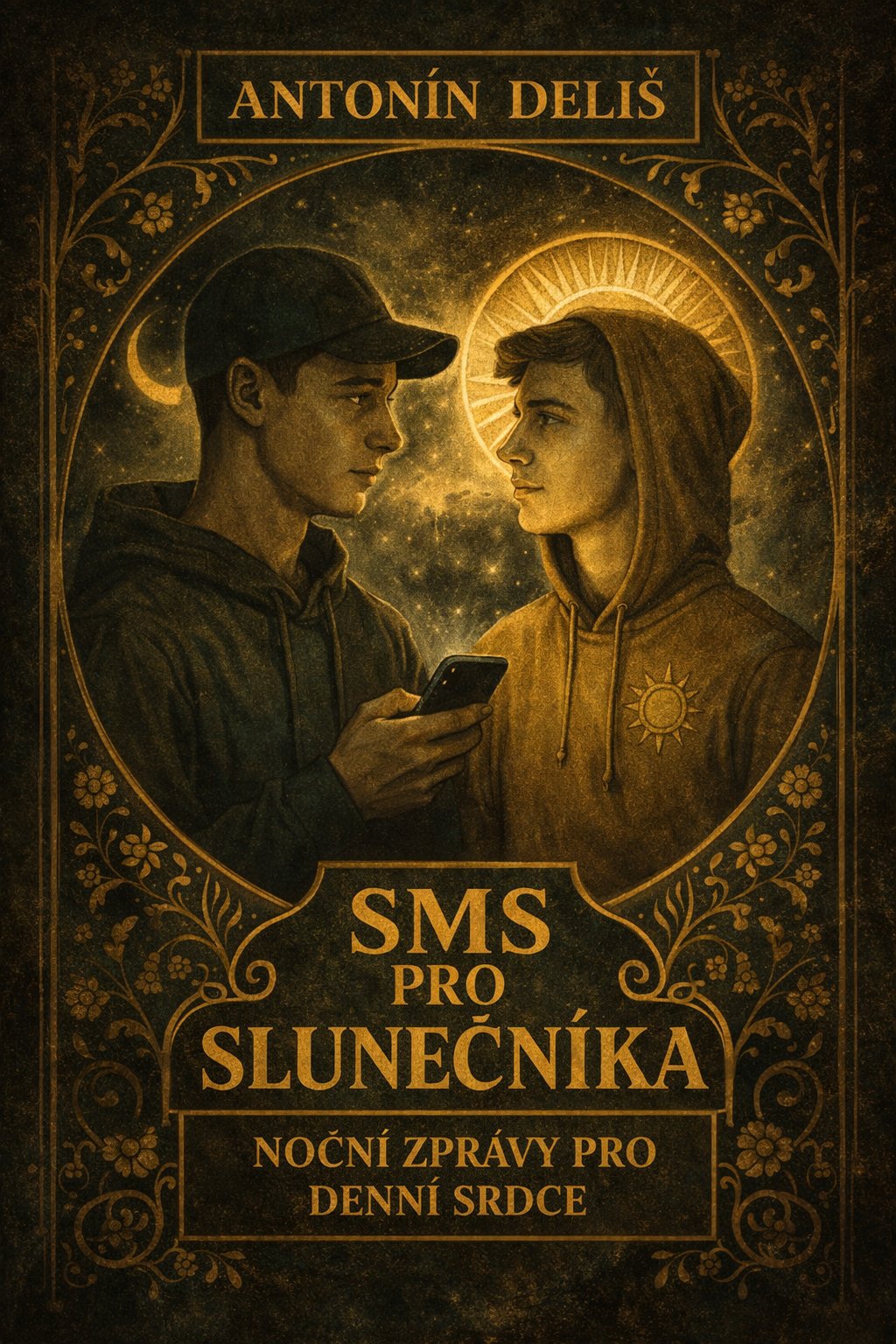
POEZIE · PŮVODNÍ SMS Z ROKU 2001
SMS pro Slunečníka
Noční zprávy pro denní srdce · Antonín Deliš
VSTUP DO SVĚTA KNIHY
Vyber si, kudy vstoupíš
Poezie, původní SMS, čtení na pokračování i tištěná kniha.
 Číst zde na webuČTENÍ NA POKRAČOVÁNÍ ↗
 ForendorsČÍST ↗
 WattpadČÍST ↗
 SpotifyODKAZ ZATÍM NENÍTištěná kniha od autoraDO KOŠÍKU · 450 KČ ↗
 Kniha u partneraLULU · TIŠTĚNÁ KNIHA ↗
 Databáze knihKARTA KNIHY ↗
 RedbubbleMERCH · PŘIPRAVUJE SE
 E-knihaGOOGLE PLAY · ODKAZ BUDE DOPLNĚN
 VinylODKAZ ZATÍM NENÍ
 AudioknihaODKAZ ZATÍM NENÍ
VIDEO ZE SVĚTA KNIHY
SMS pro Slunečníka
NOČNÍ ZPRÁVY PRO DENNÍ SRDCE
O sbírce
SMS for Sunshade is a tenderly restless poetry collection and at the same time a true two-voiced diary from the summer of 2001. It alternates original text messages between two young men with poems that were created between them almost in real time. On one side stands Moonman — Antonio, a poet who instantly transforms everything into imagery, mythology, light, night, stars, and verse. On the other Sunflower — Micky, initially an unknown man on the other end of the phone who responds much more simply, civilly, and by doing so constantly grounds the entire poetic world. Out of short messages without diacritics, waiting for a lit-up screen, and overblown poetry grows a long-distance relationship that moves between the question “Who are you?”, the desire to see the other face, erotic tension, humor, silence, a meeting, memory, and the awareness that the Sun and the Moon can only draw close for a moment. A specific summer, specific hours, and specific names turn after more than twenty years into something extraordinary: a preserved record of a time when love could fit into a few lines on a small screen—and yet could fill a person's entire night.
VSTUP DO SBÍRKY
Vstup do sbírky
18. 7. 2001, 21:15. The Sunshade asks why it was addressed in this particular way. It does not know who Antonio is. It wants to know more. And the Moonshade, instead of a simple answer, begins to write a poem. This very principle defines the entire world of the book. One short text message can open up several stanzas. One delay in replying can create a catastrophe. One completely ordinary sentence can puncture the pathos and bring everything back down to earth. When, for example, the Moonshade falls for the idea that the Sunshade's silence means rejection, it results in Ledové mlčení. After the entire dramatic poem, the reply comes: "I'm not being silent, I was just eating pizza." And that is precisely why this collection remains alive to this day.
VSTUP DO SBÍRKY
Měsíčník a Slunečník
The names are not merely nicknames. Moonman lives at night, in imaginations, in words, and in his own light. Sunman belongs to the day. One magnifies everything. The other answers simply. Yet gradually, the roles begin to blur. Moonman longs for Sunman's light, even knowing it can burn. Sunman, in turn, steps into the nocturnal space of messages, dreams of Antonio, and admits he pictures his face. When Antonio reveals more of himself, the response is not poetic—but precisely for that reason it carries its power: Sunman could not wait for the moment he would open his inbox, writing that the verses please him three times as much because he knows they are meant for him. Sun and Moon are not astronomy here. They are two ways of being in a relationship.
VSTUP DO SBÍRKY
SMS jako literární forma
Today, a few lines of text on a phone seem natural. In 2001, text messages had a different physical form. They were written on push-button phones, without today's endless space, often without diacritics, message by message. Every reply had its own time. And it is precisely time that the collection preserves. Hours, minutes, delays, and places remain within it. Therefore, the reader does not see a retrospectively retold love story. They follow the intermittent stream of communication, in which no one yet knows which sentence will be the last, when the next message will arrive, or what is actually coming into being. Between the original messages stand poems written out of their emotional excess. The phone is simultaneously a medium, a prop, and the space of the relationship.
VSTUP DO SBÍRKY
Když se z jedné věty stane celý vesmír
Měsíčník (The Moon Man) doesn't know how to leave things small. Silence turns into ice. Desire into an asteroid. Tears into fireworks. A beloved person into the Sun. A nighttime visit into a firefly or a moth. Morning starts negotiating with the Moon and the Sun about whether they are even allowed to meet. It is precisely this excess that is part of the book. Poetry is not a commentary added years later. It belongs to the original situation. Měsíčník genuinely reacts to a few sentences as if the sky had opened up. And Slunečník (The Sun Man) occasionally answers him with a single ordinary message. A strange two-part harmony is thus created: one person is constantly mythologizing the world while the other is piecing it back together from ordinary things.
Z ARCHIVU SMS PRO SLUNEČNÍKA
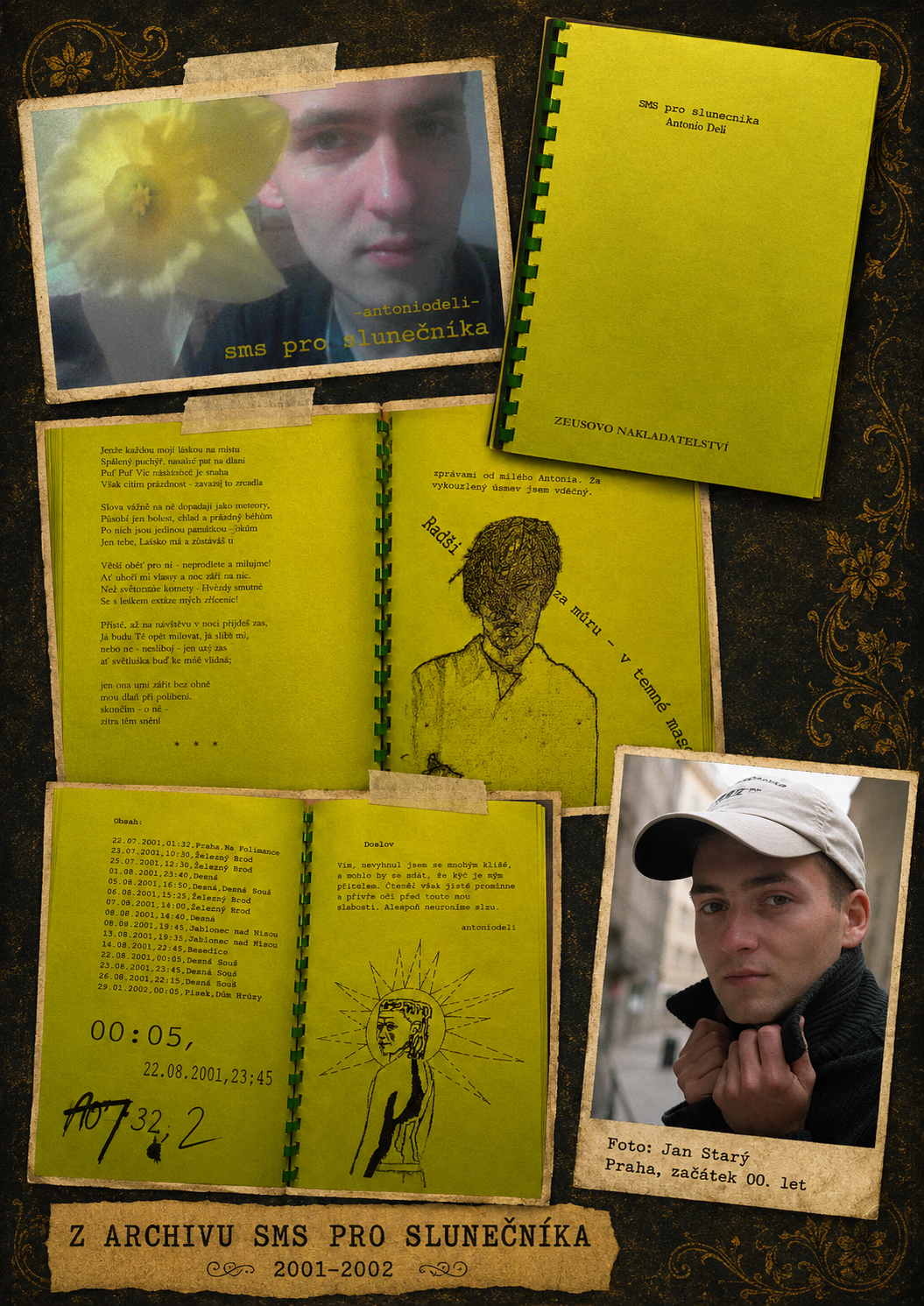
První vydání
This is what they looked like SMS for Sunshade at the turn of the millennium. The original edition was created at home: on strikingly green paper, in a plastic binding, with texts and collages. Back then, I put the visual world of the book together from whatever was at hand — from my own photographs and photos of familiar faces, such as Leonardo DiCaprio or Gwyneth Paltrow. Today, when creating the imagery for my books, I also work with AI. But the principle is actually similar: the text never ended for me with the final sentence. I needed to create an image around it as well. The photographs show a surviving copy of the original edition SMS for Sunshade and what I looked like back then. Portrait: Jan Starý.
SVĚT SBÍRKY
Tvář, která nejdřív neexistuje
In the beginning, Slunečník is almost pure text to Měsíčník. And vice versa. They don't know exactly what the other looks like. Micky asks for Antonio's real name, age, origin, and appearance. Antonio replies that he always wraps his name and himself a bit in fantasy. The relationship is thus first formed between words and imagination. Only then do photographs arrive. And with them an important moment: the person on the other end of the message gets a face. Slunečník can finally write: „Ahoj mily a hezky Antonio. Jiz to mohu rici — hezky.“
SVĚT SBÍRKY
Světlo, které také pálí
A parasol is not merely a source of warmth. The sun can be too strong. In Světluška the words of passion turn into blisters and asteroids. The moon craves light, yet at the same time asks for it to be milder. For the Parasol to come like a firefly — shining without fire and not burning the palm upon a kiss. This ambivalence runs through the entire book. To yearn for someone does not mean knowing how to endure their closeness. And light is not automatically safe just because we sought it in the dark.
SVĚT SBÍRKY
Okamžik setkání
Gradually, communication begins to turn toward the possibility of a real encounter. The moon suggests a trip to Liberec. The Parasol replies that of course they want to see each other. Suddenly it is no longer just about a fantasy on a screen. The body enters the poems. Touch. Nudity. The notion that the Sun and the Moon might have at least one shared moment — a moment when their otherwise incompatible worlds touch. In the collection, closeness is thus simultaneously a reality and an astronomical impossibility.
SVĚT SBÍRKY
Co zůstane, když zprávy utichnou
The book does not tell a classic "and what happened next". Its dramaturgy is different. The streams of messages are interrupted. Some things vanish. Some poems have not been preserved. Memory leaves gaps. In the conclusion, therefore, the whole summer does not return, but rather fragments of it. The moon writes that what remained from the past year for him are precisely the Parasol's poems and the memory of him. The Parasol, by contrast, looks ahead — a journey to Turkey awaits him. And it is in this divergence that the conclusion is perhaps most accurate: two people can share the same story, but each departs from it in a different direction.
SVĚT SBÍRKY
Soumrak nad Moulin Mortem
The epilogue is titled Twilight. Instead of a definitive full stop, the Parasol appears once again in the space of Moulin Mort. It brings several messages, comfort, and an old way of light. The Moon observes that the Parasol left just as it had appeared. Yet he still loves it and at the same time believes that a new day can rise again. It is neither a happy end nor a tragedy. It is twilight. A state when day is no longer day and night is not yet complete.
ZAJÍMAVOSTI ZE SVĚTA KNIHY
Skutečné zprávy z roku 2001
The text messages in the book are not a stylized retro adaptation of modern communication. They form the historical backbone of the collection. They remain in it without diacritics, with their abbreviations, errors, timestamps, and the way people actually typed on their phones back then. Their sheer austerity creates a contrast with the ornamental, emotional poetry that grows between them.
ZAJÍMAVOSTI ZE SVĚTA KNIHY
Jedna pizza proti celé básni
One of the most precise moments in the collection is also one of the funniest. Měsíčník creates a painful poem out of silence and convinces himself that the other person is not replying because something fundamental has ended. Slunečník replies: "I'm not being silent, I was just eating pizza." At that moment, the entire book reveals the mechanism of its pair in just a few words.
ZAJÍMAVOSTI ZE SVĚTA KNIHY
Antonio Deli ještě před Antonínem Delišem
In the poem Moonman there is a play with his own name. To the question "What is your name, sir?" comes the answer Antonio and subsequently Deli. Antonio Deli. The text also reminds us that people do not believe his name and that even his own identity easily turns into another layer of the story for Měsíčník. The collection thus captures an early form of the authorial identity as well.
ZAJÍMAVOSTI ZE SVĚTA KNIHY
Místa zůstala v obsahu
At the end of the book, the individual parts are not listed by title alone. The table of contents preserves the date, time, and location: Prague – Na Folimance, Železný Brod, Desná, Souš, Jablonec nad Nisou, Besedice, or later Písek. The timeline runs from July and August 2001 to January 29, 2002. This gives the collection the character of a map of a single period of life.
ZAJÍMAVOSTI ZE SVĚTA KNIHY
Básník ví, že je to někdy kýč
The afterword does not hide behind the poetry itself. In it, the author openly admits that he could not avoid many clichés and that it might seem as though kitsch were his friend. For today's edition, this is precisely what is important. The text does not pretend to have been written today by a more experienced author. It lets the young poet be exaggerated, sentimental, erotic, theatrical, and ridiculous wherever he truly was such.
ZAJÍMAVOSTI ZE SVĚTA KNIHY
Slunečník přivedl autora zpátky k básním
In the final communication, Antonio writes directly to Micky that he is his eternal inspiration and that he brought him back to poems. At the same time, he promises him that he will publish the collection and will gladly hand it over to him in person. Micky replies that he feels honored to be an inspiration to someone. Today's edition thus carries a strange time loop within itself: the book brings to fruition something that was written directly inside its original correspondence.
ZAJÍMAVOSTI ZE SVĚTA KNIHY
Vizuální svět SMS pro Slunečníka
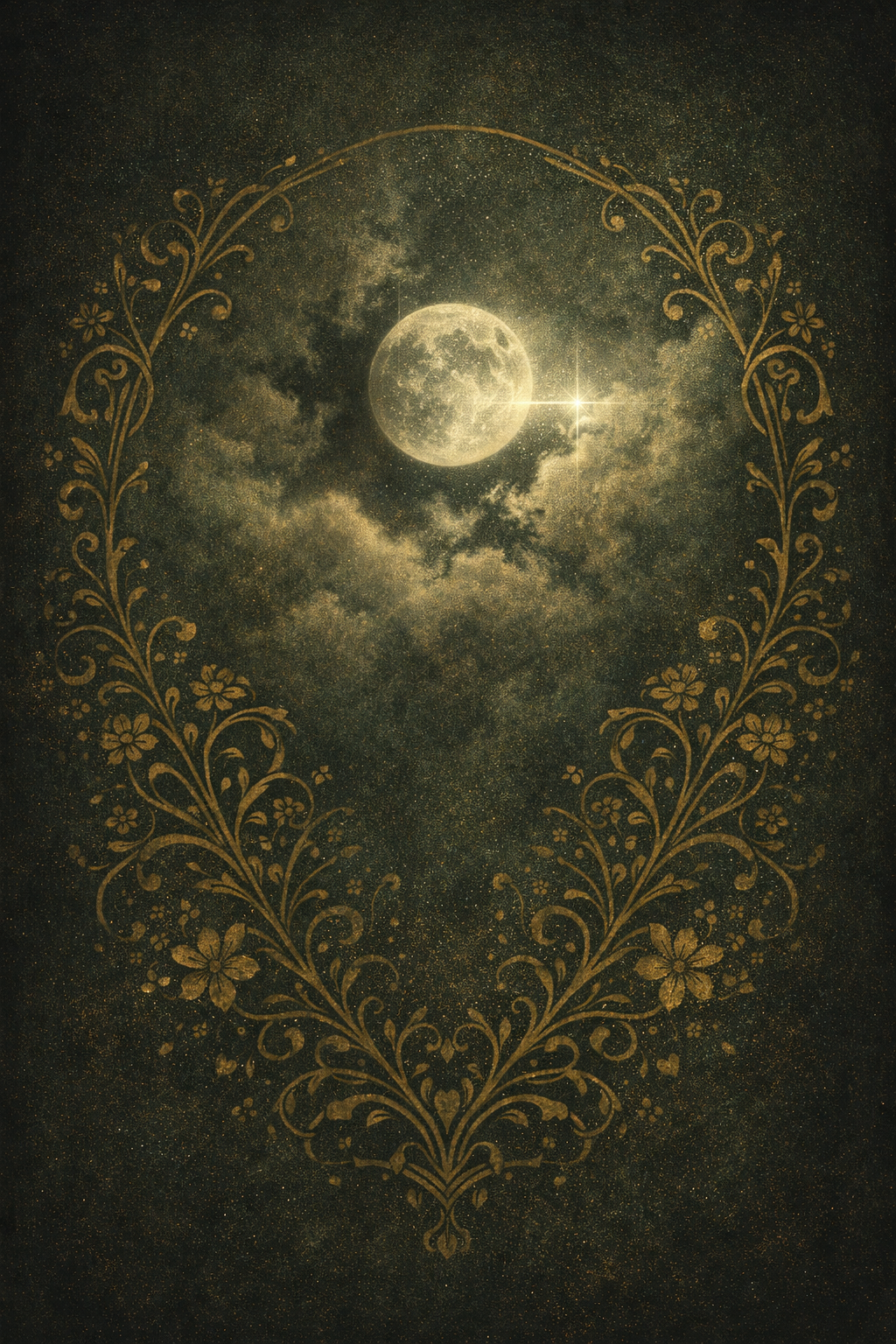
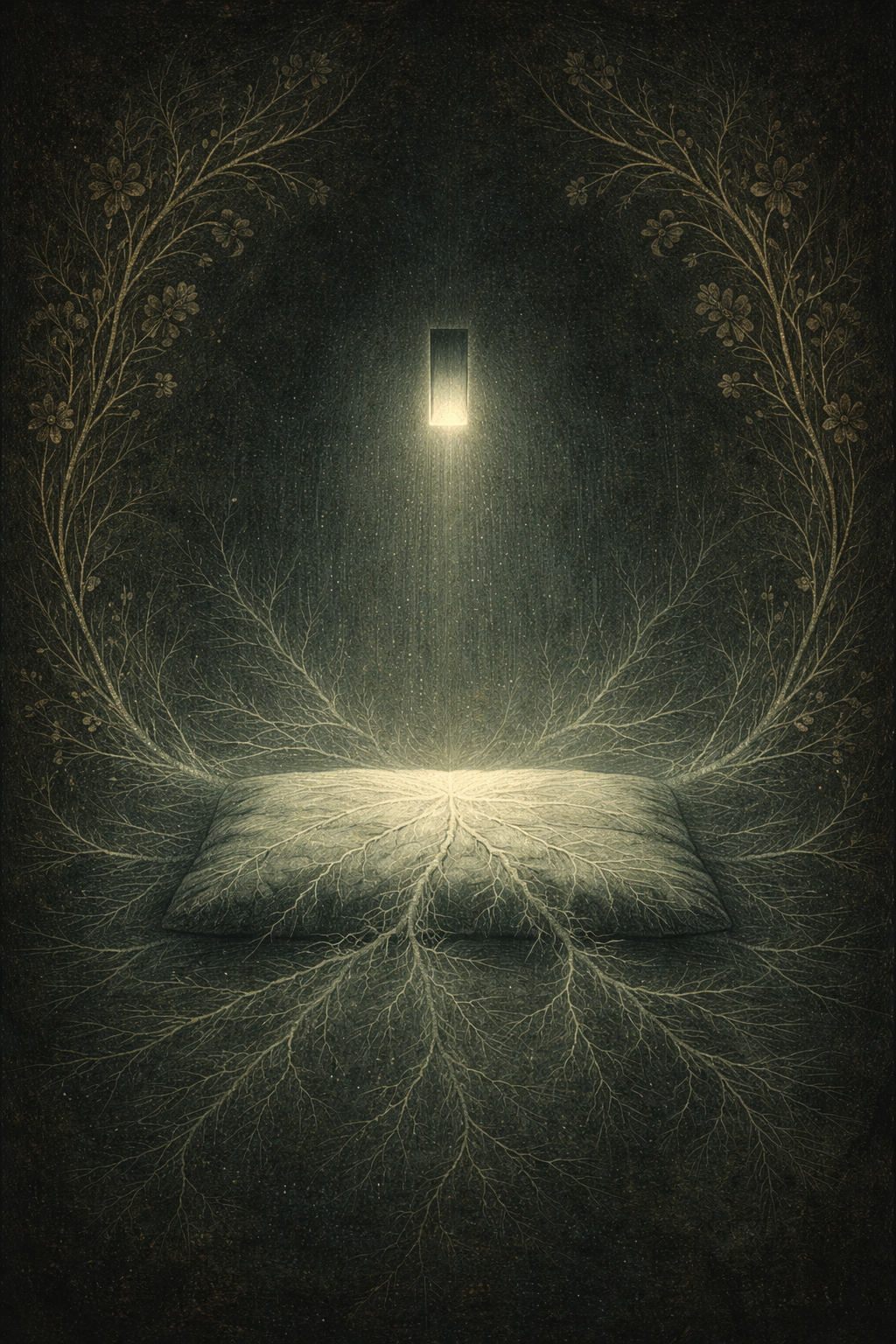
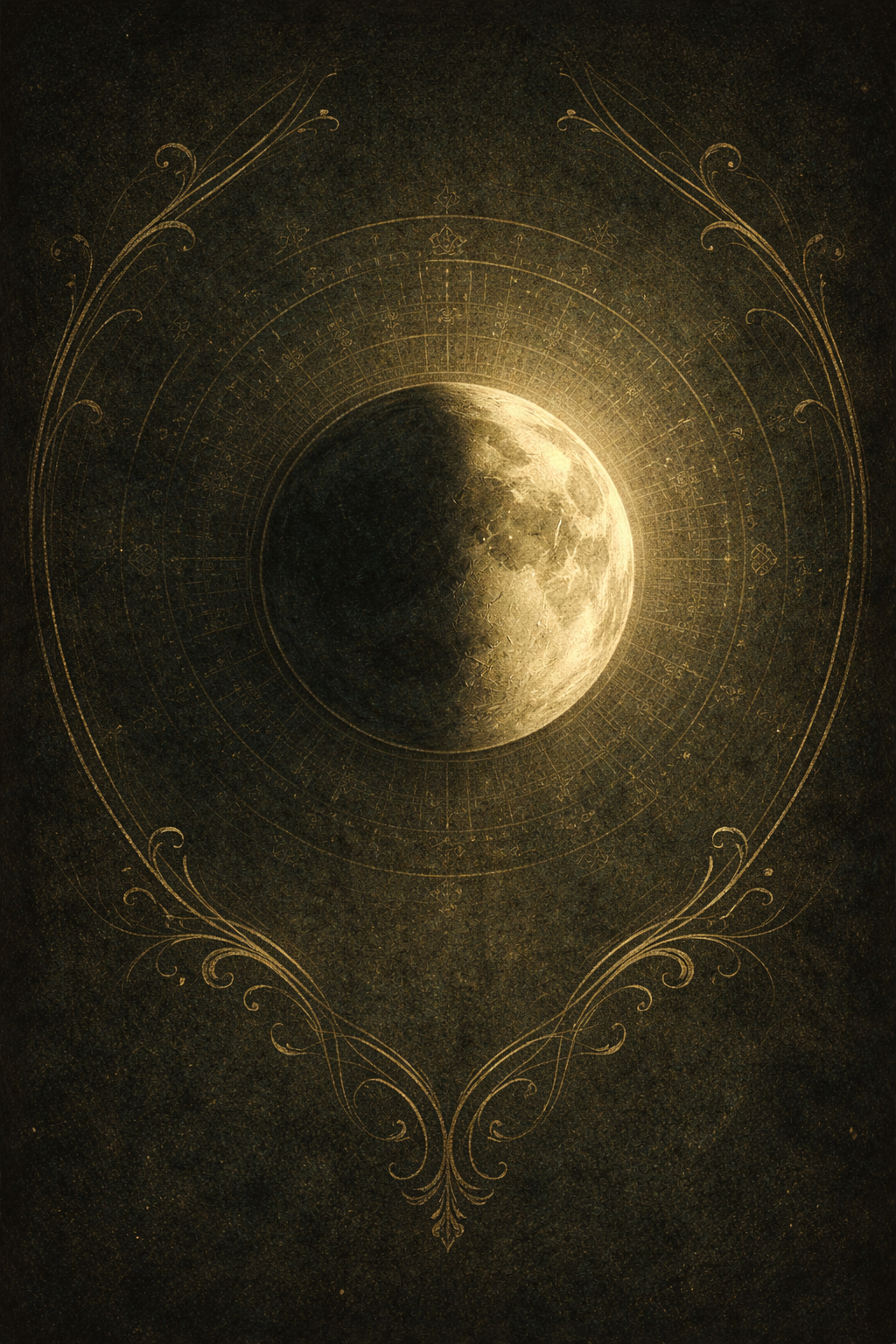
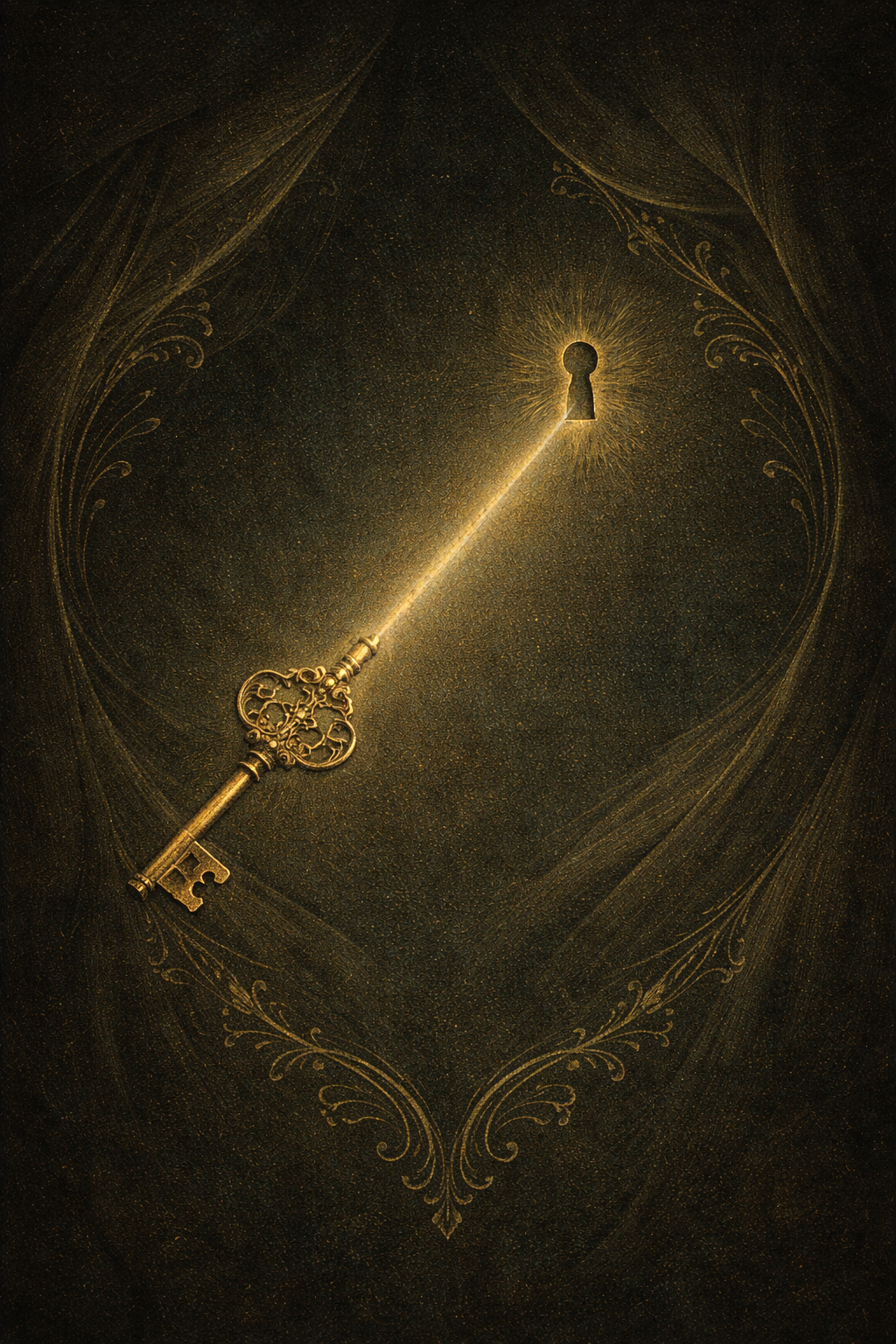
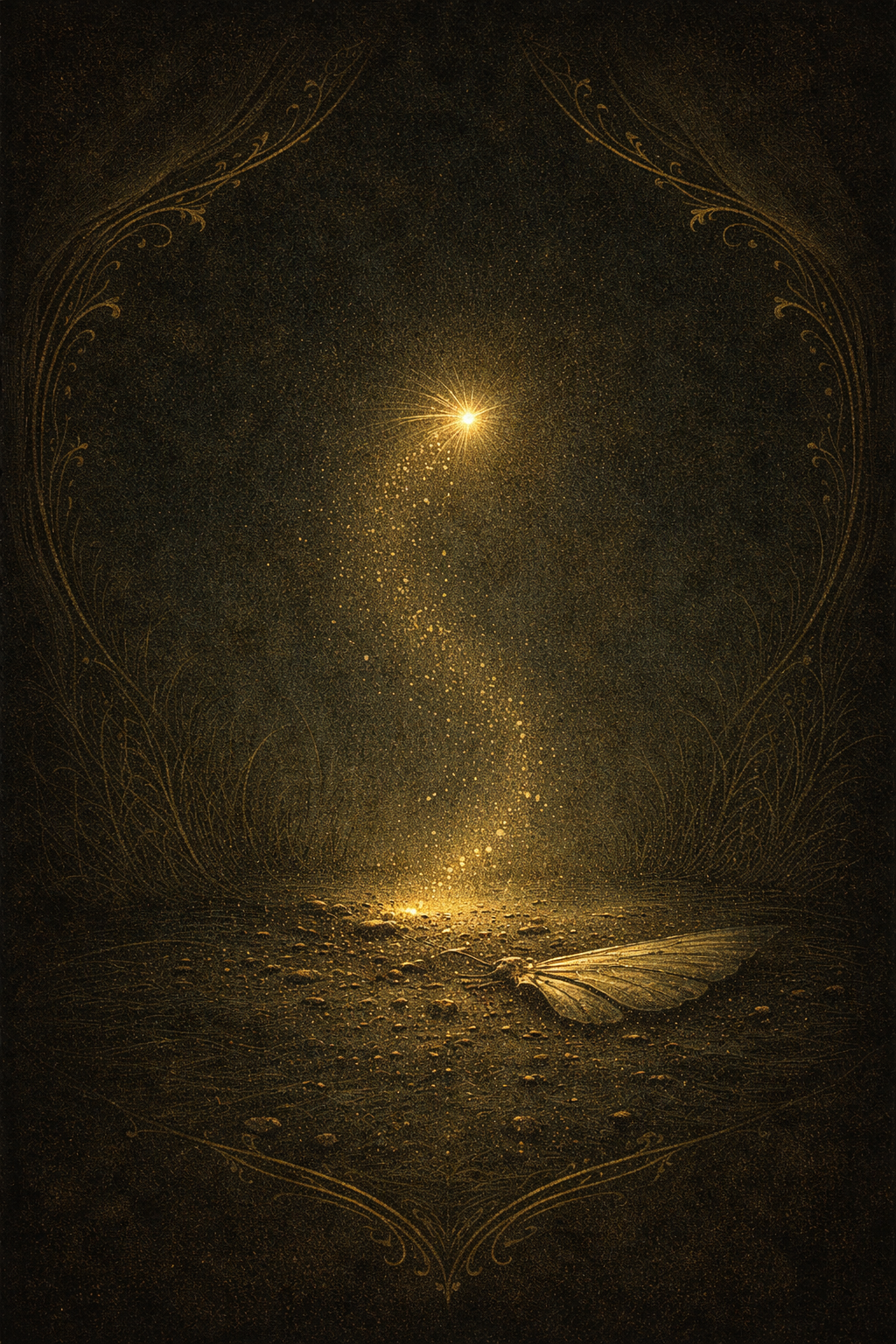
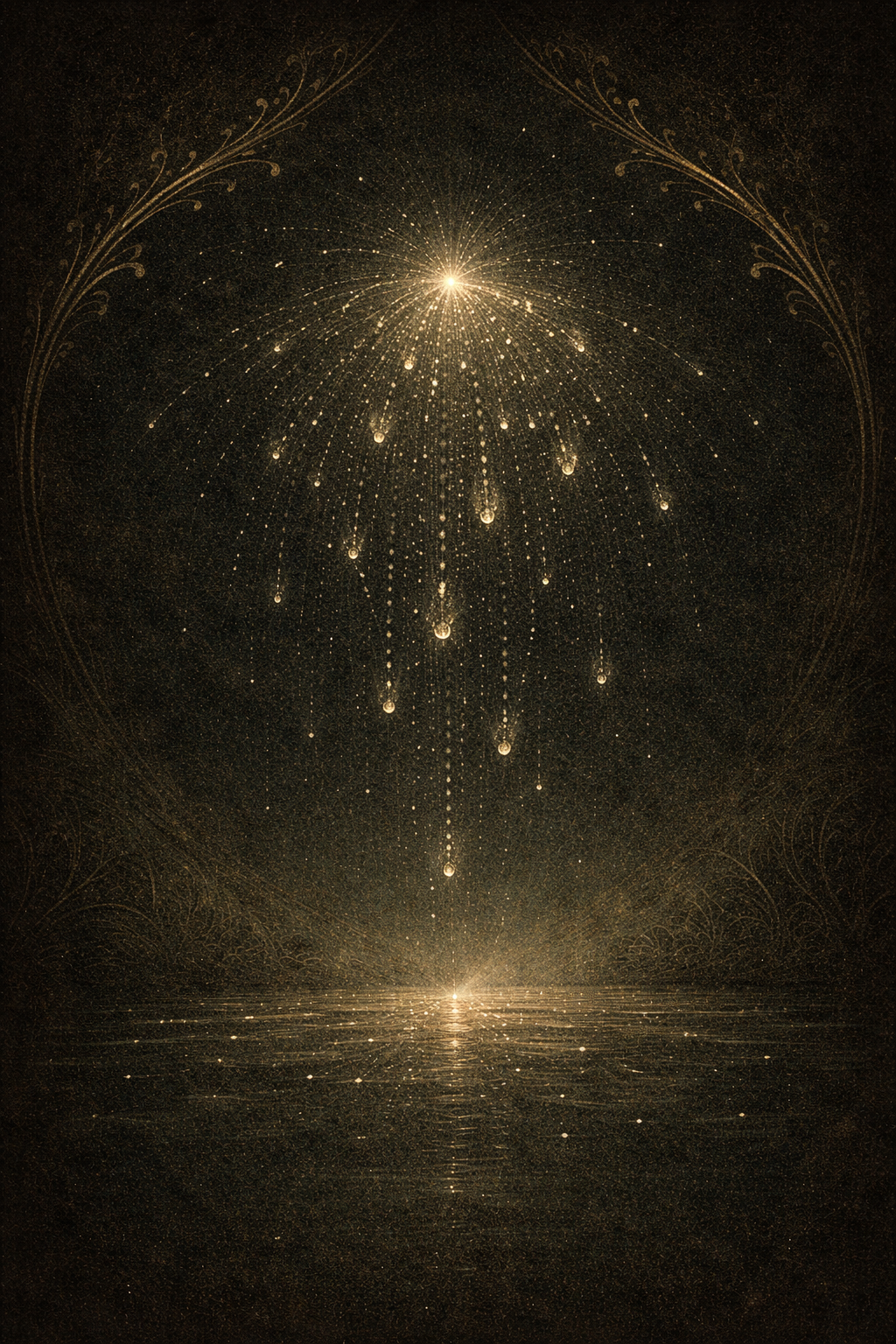
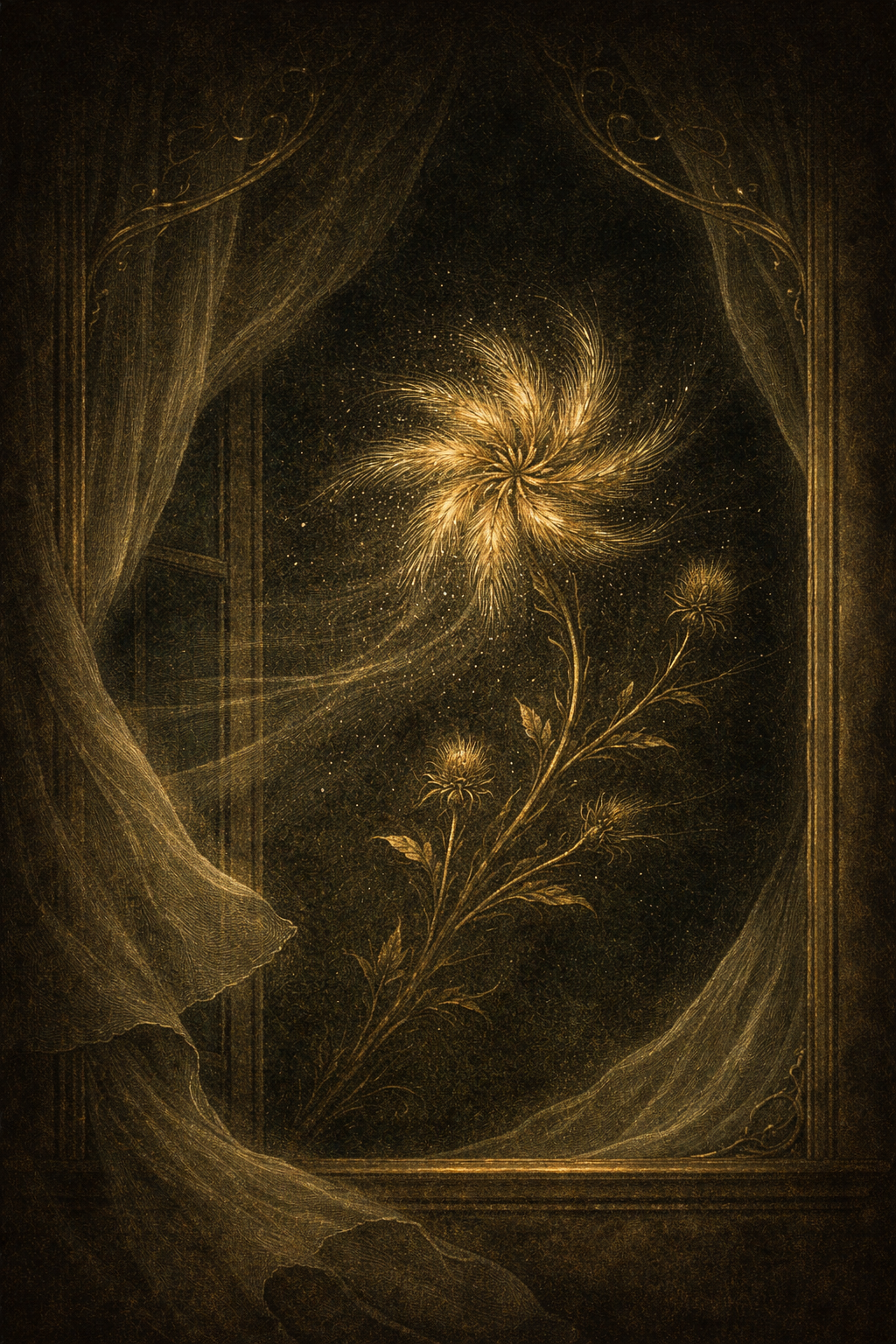
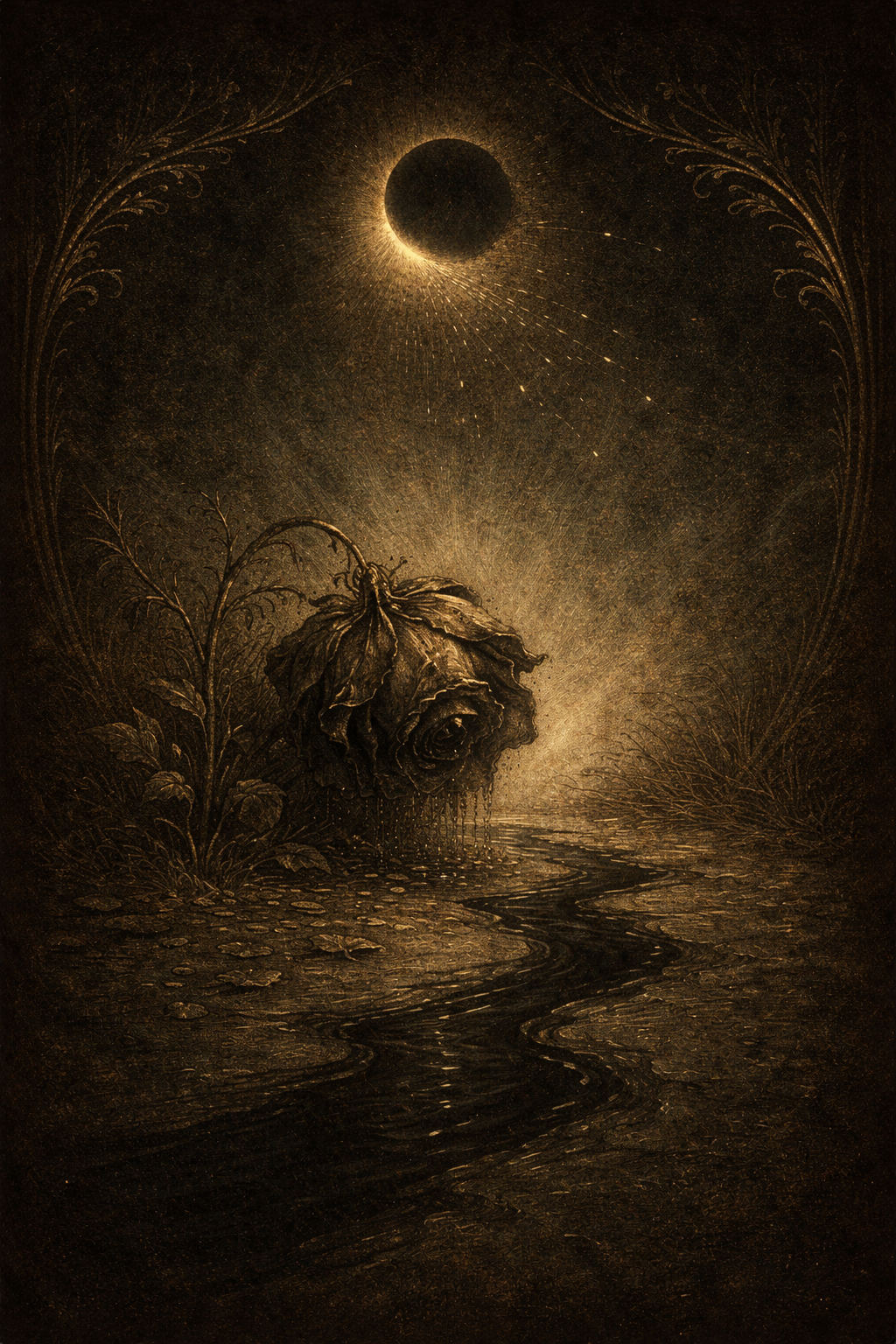
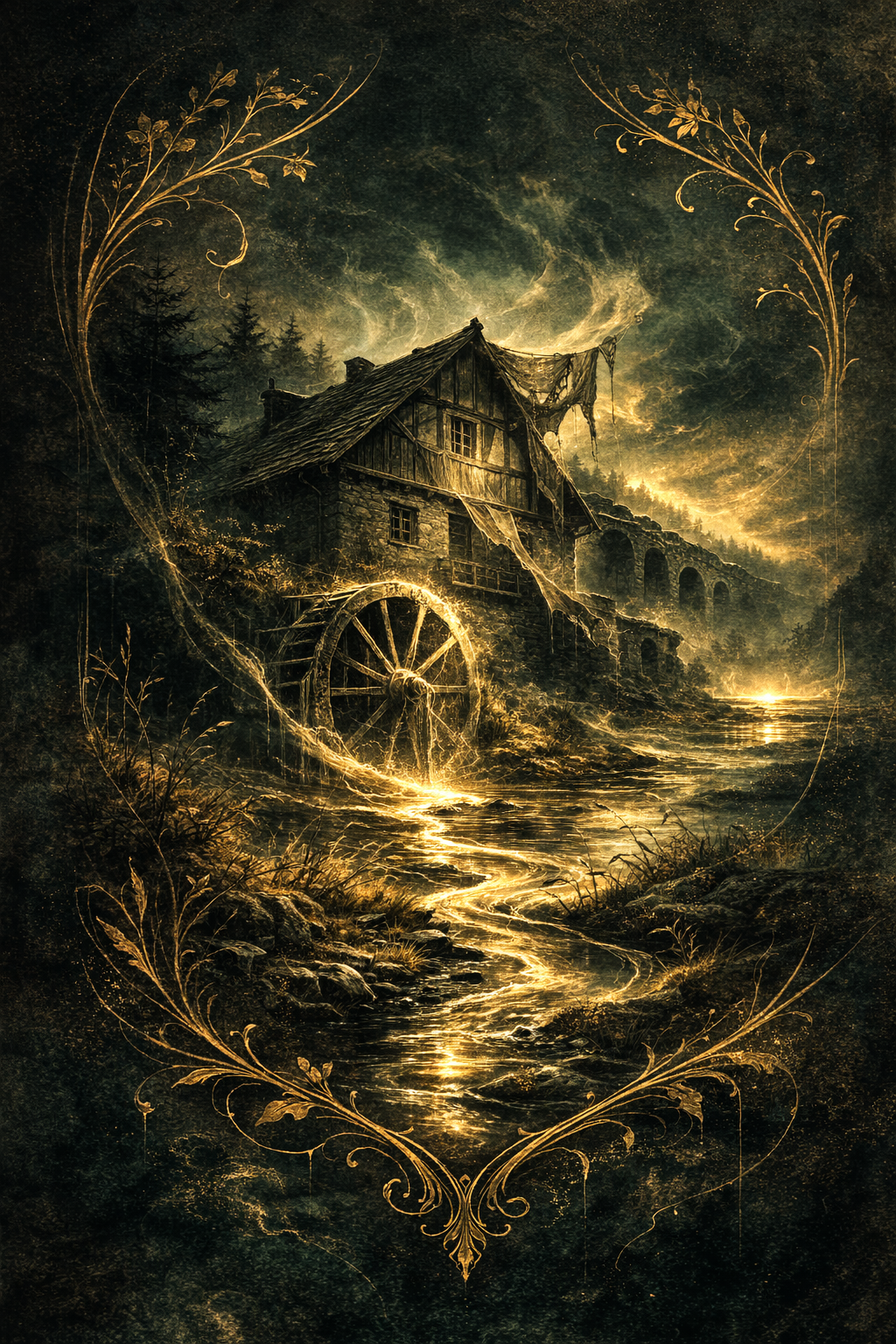
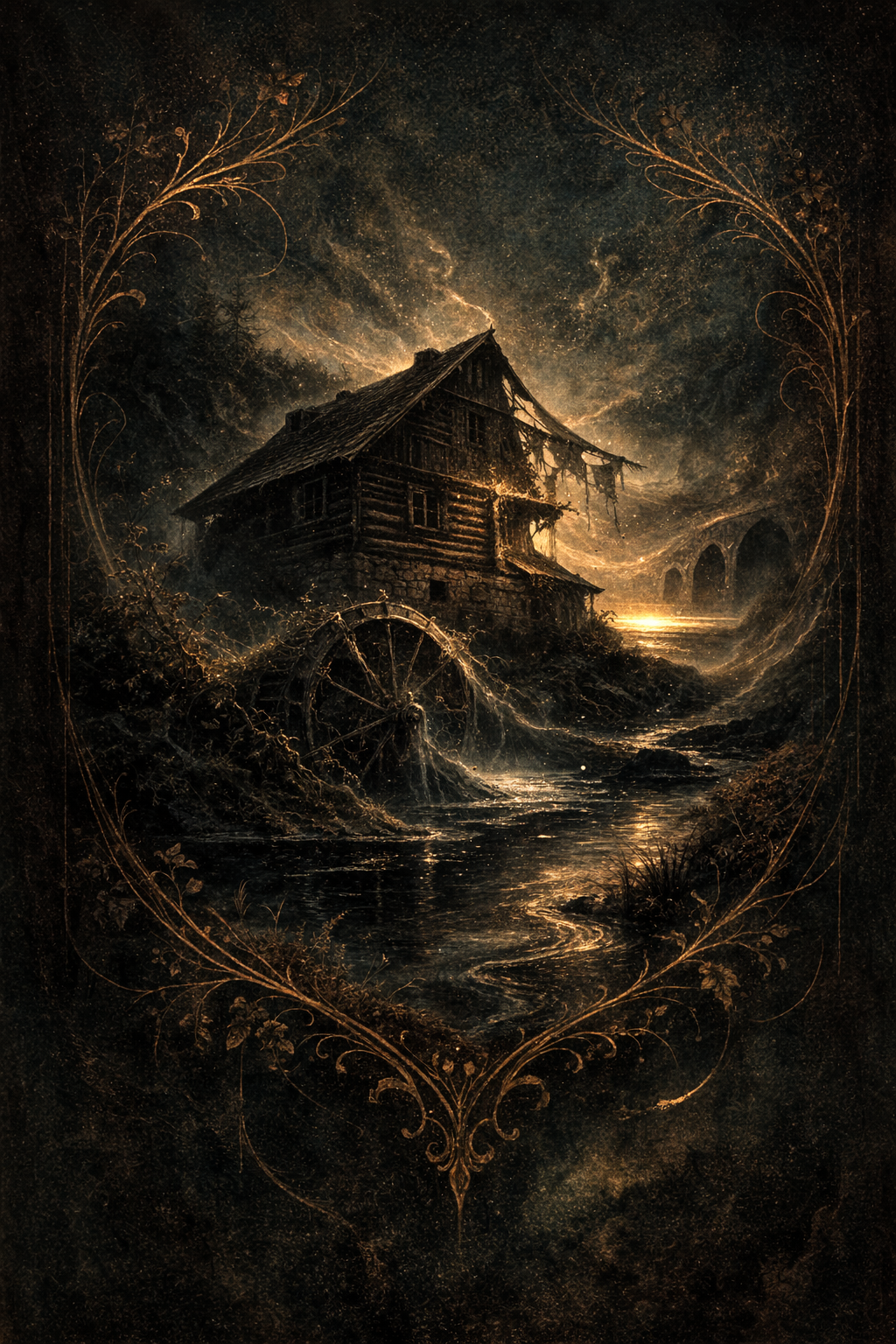
The book version works with black, dark green, and antique gold. Its images do not create realistic scenes from 2001. They translate the internal language of Měsíčník into visual form. The moon hangs in an ornamental frame like a relic. A glowing key points toward a keyhole. Light grows from a pillow like roots. A golden firefly lingers above the dark earth. Tears fall like fireworks. A plant behind the night window glows as if it had itself received the light of Slunečník. Therefore, the pictorial world does not explain the individual poems literally. It does with them what the poems do with SMS messages: it takes a small moment and lets it grow into a myth.
ZAJÍMAVOSTI ZE SVĚTA KNIHY
Jak SMS pro Slunečníka vznikaly
This collection has an unusual origin. First, there was no finished story that was later rewritten into poetry. The story and the poetry were created almost simultaneously. A message arrived. Waiting followed. The emotion unfolded into a poem. Another message arrived — and sometimes completely changed the meaning of what had just been written. That is why the poems may seem exaggerated in relation to what „objectively“ happened. Yet it is precisely this disproportion that documents their creation. It captures the moment before experience is corrected. Not what a person understood about the event years later. What they felt right then.
SMS for Sunshade was created as a world of news, poems, night, light, and places that truly existed around me at that time. Therefore, today's release also includes a visual layer — illustrations created based on the motifs of individual poems and photographs of the real environment from which the text grew.
OBRAZOVÝ SVĚT SBÍRKY
Ilustrace ke stažení
The individual images translate the collection's poetic motifs into a dark golden-green world. They are not a literal retelling of the poems, but their visual echo.
Download:
SKUTEČNÁ MÍSTA ZE SBÍRKY
Fotografie skutečných míst
Alongside the illustrations, there are also real places.
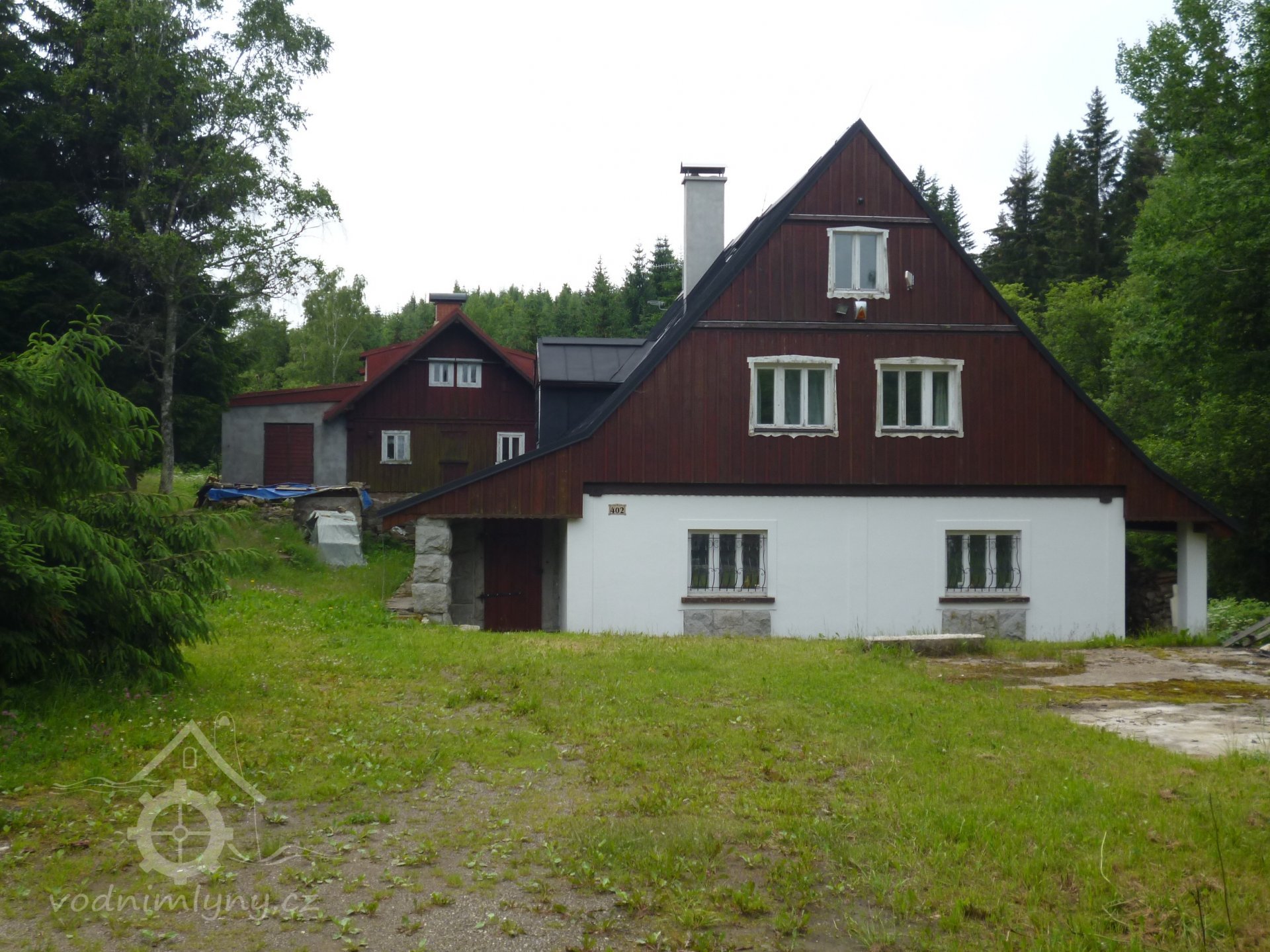
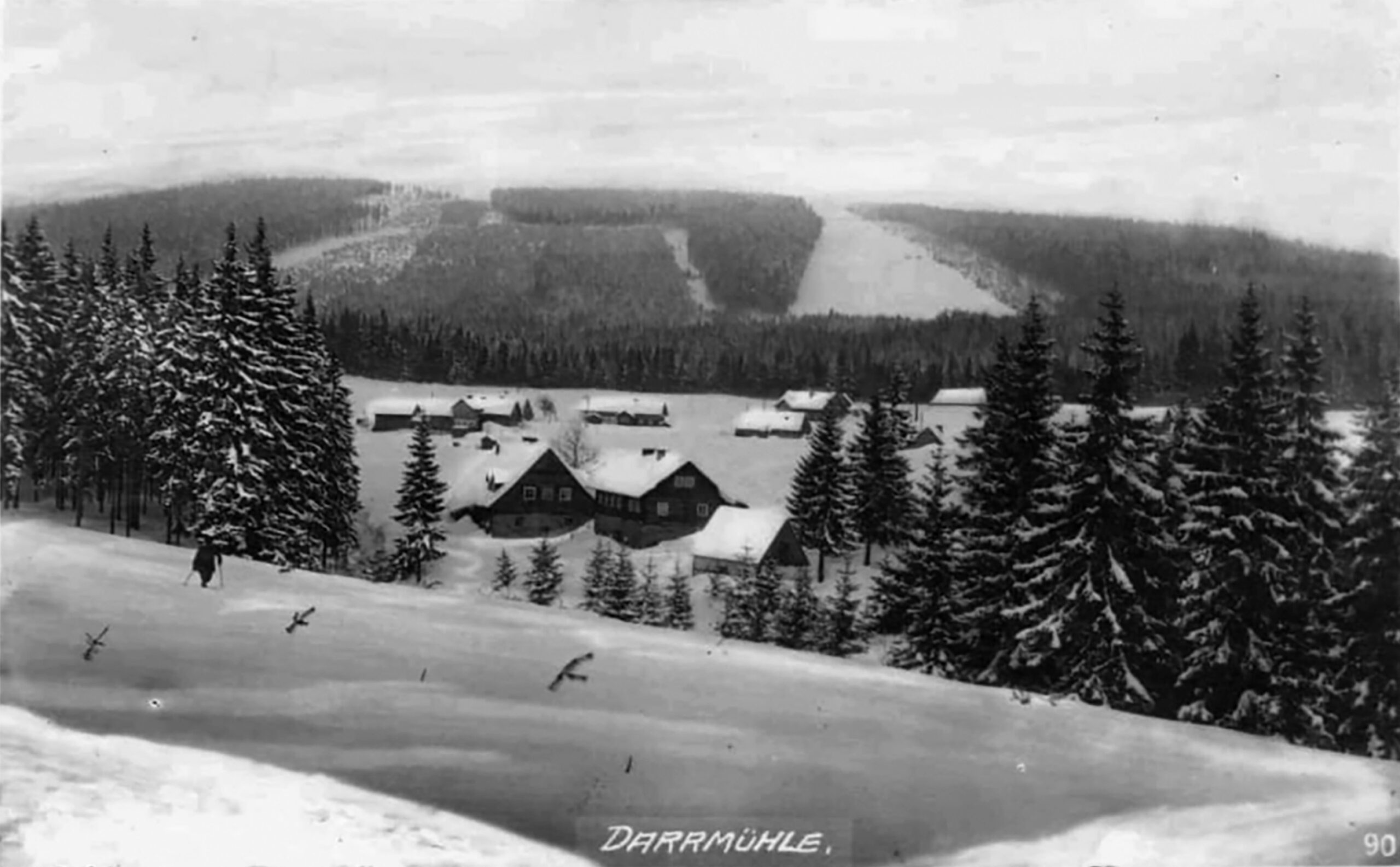
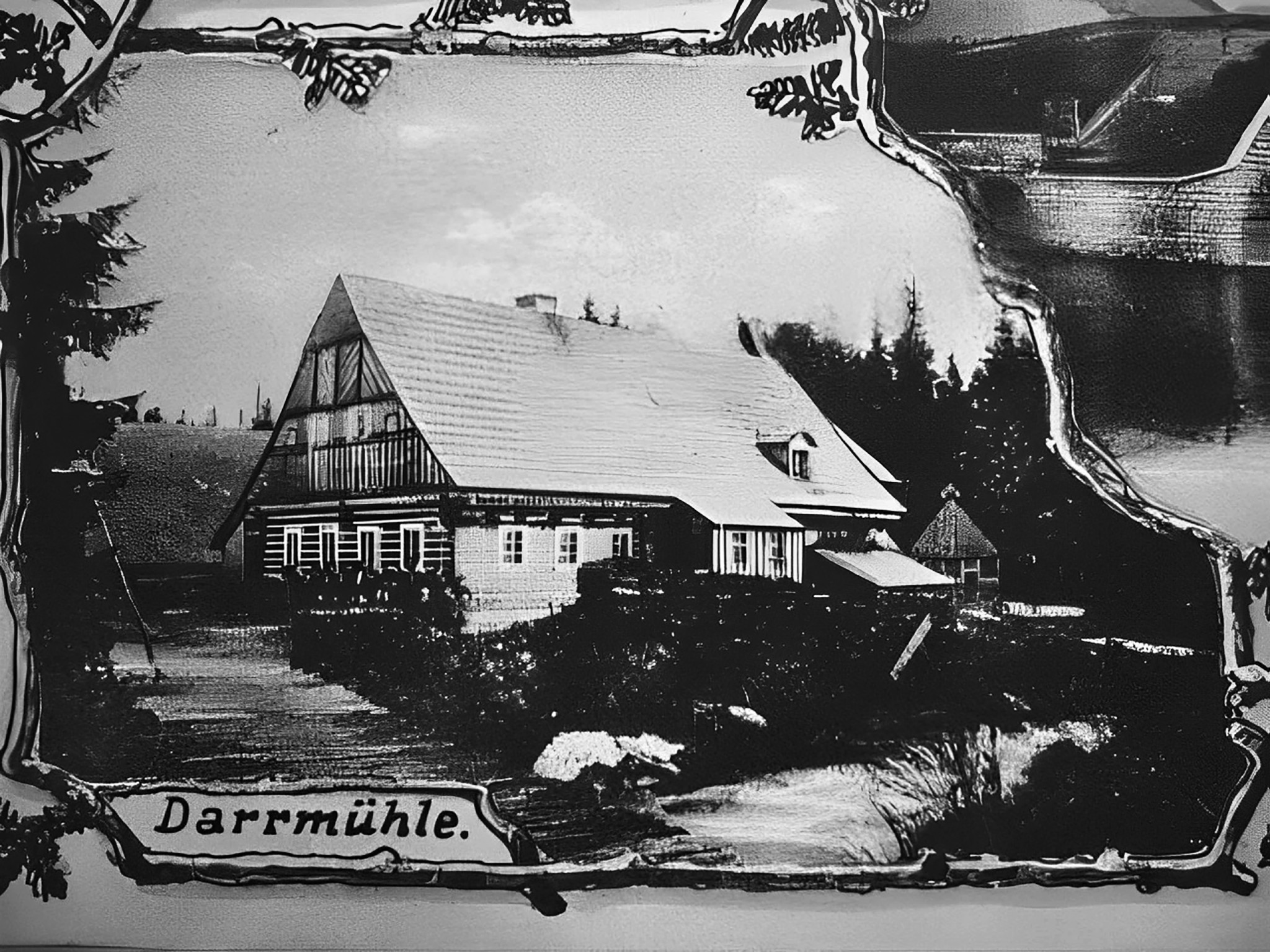
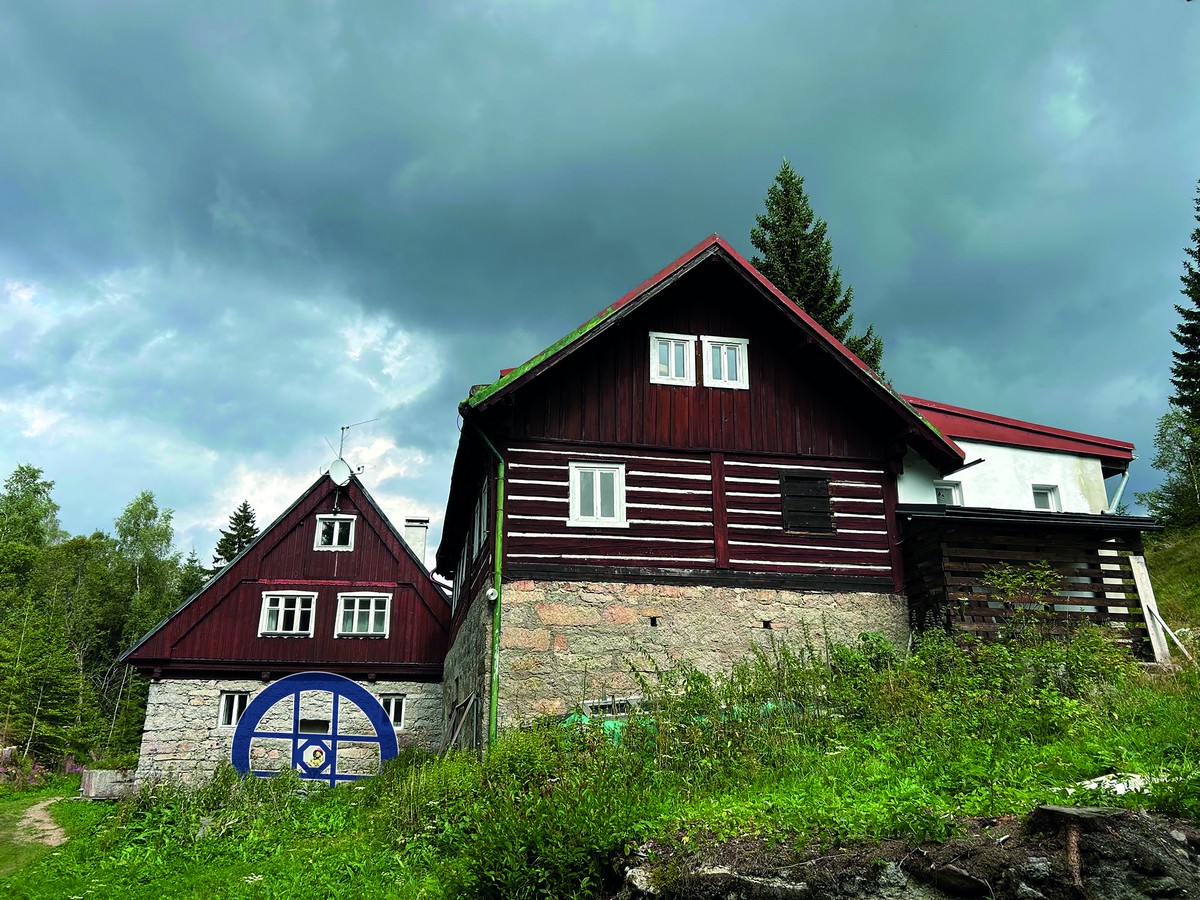
One of the important spaces in the collection is Souš in the Jizera Mountains and the former Darrmühle, which in the poetic world transformed into Moulin Mort.
The book preserves not only the texts, but also the specific dates and places of their creation—among them Desná, Souš, Železný Brod, Jablonec nad Nisou, Besedice, Prague, and Písek.
The photographs show the setting without its poetic translation: mountain houses, forests, the historical appearance of Darrmühle, and its later form.
That very difference is what I enjoy.
In the poems, Moulin Mort can be an almost mythical place over which dusk falls and the landscape enters the private cosmology of the Moon-dweller. In reality, behind it all lies a specific house, a specific landscape, and a specific time.
For download / viewing:
TIŠTĚNÁ KNIHA OD AUTORA
Brožovaná kniha
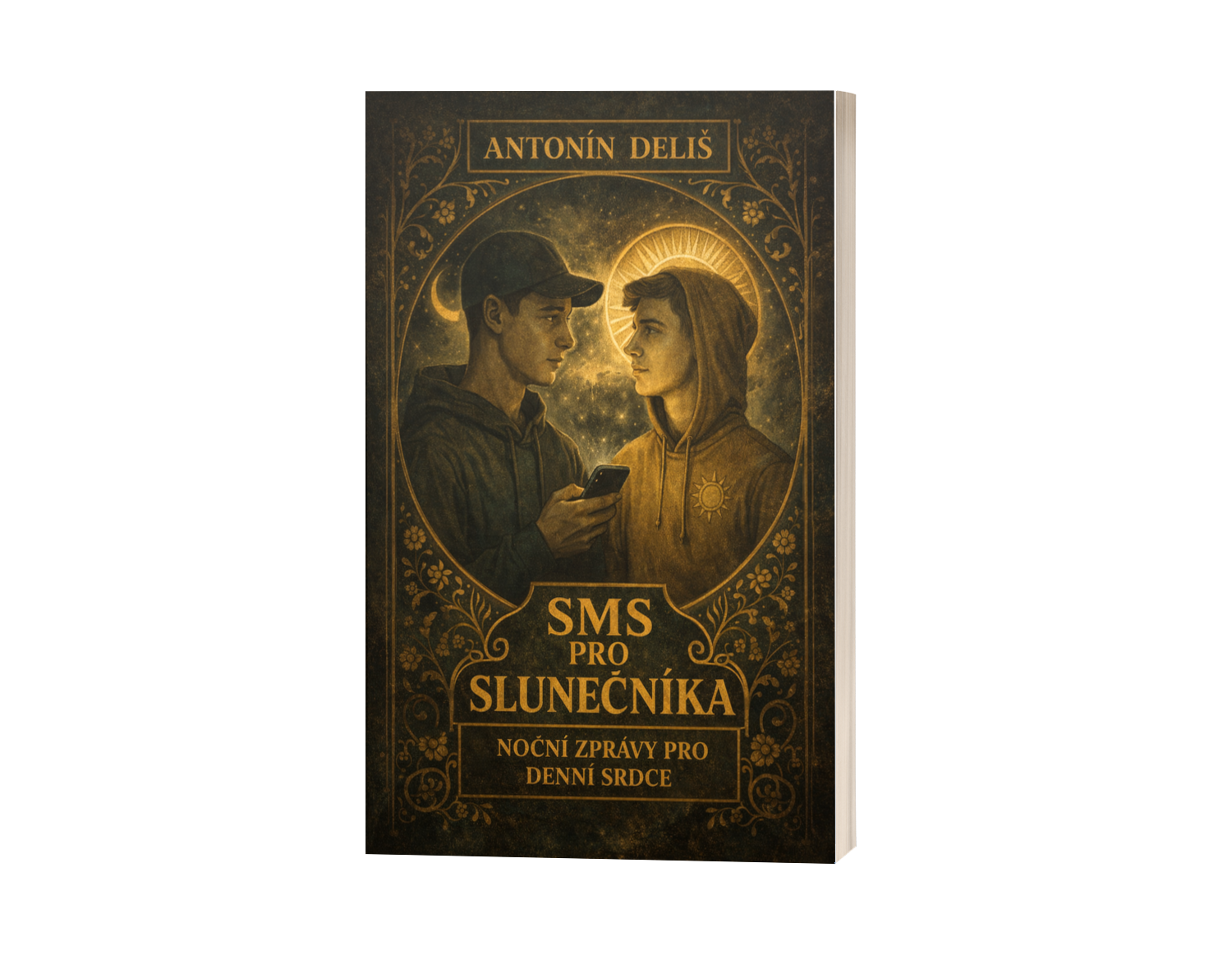
SMS pro Slunečníka · 48 stran · 450 Kč. Knihu mohu podepsat i s věnováním.
ELEKTRONICKÁ KNIHA
E-kniha SMS pro Slunečníka
Elektronické knihy nabízím prostřednictvím Google Play Knih. Odkaz na toto vydání zde doplním později.
AUTORSKÝ A VYDAVATELSKÝ CYKLUS
Jak vznikají a vycházejí moje knihy
My books are not published in all formats at once. Each goes through a gradual authorial and publishing cycle.
- I write the book.
A text is born, along with its rhythm, imagery, inner world, and overall authorial context. - A sound world is created.
For projects that call for it, I simultaneously compose music, motifs, songs, or soundtracks. - A visual world is created.
The cover, illustrations, portraits, visuals, and other images are not merely promotion for the book. They often represent another way to enter its world. - I gradually release the music and visuals.
They appear on the website, social media, and, depending on the specific project, also on music platforms. - The book goes to Forendors.
That is where the first previews, work materials, behind-the-scenes content, or the text itself may appear in advance. - The book is getting its own space on Endralon Space.
A page is being created for it featuring the text, context, visual materials, previews, and links. - A printed edition follows.
Depending on the specific book, via a printing platform or other partners. - An electronic version is created.
PDF and EPUB are not just conversions of the finished text. Each format requires its own typesetting, review, and adjustment for the way it will be read. - For selected books, an audiobook or author reading follows.
- In the end, signed author copies and other materials are created.
If they are available for a specific book, I prepare them and send them to readers personally.
PRO ČTENÁŘE
Co to znamená pro čtenáře
If an EPUB, audiobook, signed copy, or any other format is not yet available for a particular book, it is not a forgotten item.
The book is simply at a certain stage of its publishing life.
I am gradually adding individual formats, music, visuals, and other materials as the whole project matures.
TECHNICKÉ ÚDAJE
- Title
- SMS for Sunshade
- Subtitle
- Night news for daytime hearts
- Author
- Antonín Deliš
- Genre
- poetry
- Language
- Czech
- Format
- poetry collection · SMS correspondence · duet
- Time span of the texts
- 2001–2002
- Publisher
- Antonín Deliš
- Place of publication
- Prague, Czech Republic
- Year of publication
- 2026
- Edition
- 1.
- Cover and illustrations
- Antonín Deliš (AI)
- Proofreading
- Antonín Deliš
- Typesetting and layout
- Antonín Deliš
- Printed book format
- paperback
- eBook formats
- EPUB / PDF
- Extent
- 48 pages
- Paperback price directly from the author
- 450 CZK
- eBook price
- 159 CZK
- Contact
- wo@endralon.space
O AUTOROVI
Mezi nocí a dnem
Antonín Deliš is a Czech writer who thinks cinematically: in terms of rhythm, editing, and the silence between lines. He studied the organization of film, television, and radio production, and underwent training in acting and actor-director techniques. He writes prose that is unafraid of either intimacy or rawness, and often builds other audio and visual layers alongside his texts. He has been developing his own narrative universes for a long time.
They were nights and days.
Between them, a few short messages.
And for a moment, one sky.
PUBLISHED · NEW TITLES
Open worlds

PSYCHOLOGICAL THRILLER · QUEER NOIR
Pět minut u pisoárů

PSYCHOLOGICAL NOVELLA
Miluj mě do krve

YOUNG ADULT GAYROMANCE
Christmas a Hamburger

POETIC FANTASY · MAGICAL REALISM
Harjin a hvězda, co spadla dvakrát

HEAVY CONTEMPORARY GAY ROMANCE
USUŠ SVÉ VLASY · I
Žár pod hladinou

HEAVY CONTEMPORARY GAY ROMANCE
USUŠ SVÉ VLASY · II
O-TOČ-SE | NEŽ-SKO-ČÍŠ

SCI‑FI
ARTFORK · VOLUME ONE
Fíckej detektiv ArtFork z Džibhajnhulu: Výchozí bod

A FANTASY OF MEMORIES
Můj neviditelný manžel

INTIMATE FICTION · TRILOGY
PNVNY
AND TYPESETTING

HEAVY CONTEMPORARY GAY ROMANCE
USUŠ SVÉ VLASY · III
Trestný čin něhy

HEAVY CONTEMPORARY GAY ROMANCE
USUŠ SVÉ VLASY · IV
Přežili jsme tu noc

HEAVY CONTEMPORARY GAY ROMANCE
USUŠ SVÉ VLASY · V
Modř

QUEER GROTESQUE SUPERHERO
La-Tex-Homme se vrací

SCI‑FI
ARTFORK · VOLUME TWO
MastronDavaj z Mokrobadu, Govlínbej z Rukoslanu a Fíckej detektiv ArtFork z Džibhajnhulu: Poslední rok

A CHILDREN'S STORY FROM BUDAPEST
Chlapci z Brassai Sámuel utca

SOCIAL PSYCHOLOGICAL NOVEL
Zločin v domě na Petrském náměstí
IN PREPARATION · 2026
What is happening now
Books in progress, newly finished texts and everything currently moving forward in the world of Endralon.
Open updates ↗SEARCH THE SITE
VISITOR ARCHIVE
Who has passed through this world?
Traces of people among books, soundtracks and night cities.
- TOTAL
- 12 937
- THIS MONTH
- —
- Yesterday
- —